Home Blog Page 463

Pederalismo Mismo

Bagamat may panahong maingay at may panahong tahimik, tuluy-tuloy ang rehimeng Rodrigo Duterte sa pagtutulak ng pederalismo. Sa kanyang ikatlong State of the Nation Address, sinabi ni Duterte na ito ang porma ng gobyerno na “tunay na kakatawan sa mga prinsipyo at mithiin” ng lahat ng Pilipino at lilikha ng mga oportunidad para sa pag-unlad. Mga pahayag itong masyadong pangkalahatan, wala na tuloy kabuluhan.

Ang sinabi niya na malapit sa kongkreto: ang kawalan ng pag-unlad ng Mindanao, na umano’y naiwan ng Metro Manila. Totoo bang umangat ang Metro Manila? At dahil ba sa pag-iwan nito sa Mindanao? Sa ganitong mga paawa at pangonsensya nakasandig ang propaganda ng rehimen para sa pederalismo. Bukod pa sa bulgar na kababawan gaya ng ipinalabas nina Mocha Uson at Drew Olivar noon mula sa Presidential Communications Operations Office.

Sa ganitong kalagayan makikita ang halaga ng Debate on Federal Philippines: A Citizen’s Handbook, manipis na aklat na inilabas ng Bughaw ng Ateneo de Manila University Press nitong 2017. Laman nito ang mga sanaysay ng anim na maituturing na “eksperto,” mga nag-aral ng pulitika at ekonomiya, tungkol sa pagsisikap na gawing pederal ang porma ng gobyerno ng bansa. Dito, mas mauunawaan ang mga tunay na batayan ng mga pabor at tutol sa pederalismo bilang porma ng gobyerno.

Sa kagyat, ang pederalismo ay isang porma ng gobyerno na nagpapalakas sa mga lokal na pamahalaan — sa antas-rehiyon, ayon sa mga nagsusulong nito ngayon — kumpara sa pambansang pamahalaan. Taliwas ito sa porma ng gobyerno na tinatawag na “unitaryo,” na siyang mayroon sa bansa ngayon, kung saan nakakonsentra ang kapangyarihan sa pambansang pamahalaan. Kailangang nakatadhana sa konstitusyon ng isang bansa ang pagkakaroon ng ganitong gobyerno. Iba pang usapin ang presidensyal kontra parlamentaryo.

Sa ngayon, malaganap ang pagtutol sa pederalismo dahil dikit ito sa maraming masasamang bagay: pagtagal sa kapangyarihan ni Duterte, pagtindi ng panunupil niya sa bansa, pagbalik sa kapangyarihan sa mga Marcos, pagsuko ng mga teritoryo ng bansa sa China, pagbenta ng bansa sa mga dayuhan, pagpasok ng mga dayuhang kagamitang pandigma sa loob ng bansa, at iba pa.

May kabuluhan pa rin ang Debate on Federal Philippines, gayunman. Bukod sa nakakadagdag ito sa kritikal na pag-unawa sa dominanteng pulitika at gobyerno sa bansa, sa pangkalahatan ay maipapakitang mas kapaki-pakinabang ito sa mga kritikal at tutol sa pagtutulak sa pederalismo ng rehimeng Duterte.

Ang unang aasahan sa librong ganito ay ang pinakamatitibay na dahilan para isulong ang pederalismo sa Pilipinas. Pero rito, lumalabas na hindi rason o batayan ang kalakasan ng kampanya para sa pederalismo, kundi kwento.

Kesyo panahon pa ng mga Espanyol ay unitaryo na ang porma ng gobyerno ng bansa, pero nananatiling mahirap ang nakakaraming Pilipino. Kesyo nasimulan na ng Local Government Code ng 1991, sang-ayon sa Konstitusyon ng 1987, ang desentralisasyon at pagpapalakas sa mga lokal na pamahalaan at dapat lang itong iabante ngayon — hindi lang sa pamamagitan ng paggawa ng mga bagong batas, kundi ng pagbago sa mismong konstitusyon. Kesyo matagal nang nakakonsentra ang kapangyarihan sa Metro Manila at panahon na para ibahagi ito sa iba’t ibang parte ng bansa.

Sabi ni Julio C. Teehankee, na pabor sa pederalismo, “Nang makamit ng bansa ang kalayaan noong 1946, nainstitusyunalisa na ng unitaryong estado ang lohika ng pagpiga (extraction) para paglingkuran ang naghaharing elite at ang kanilang mga kolonyal na amo.” Dagdag niya, “ang mga lokal na pamahalaan ay patuloy na institusyunal na nakagapos sa isang domestiko-kolonyal at labis na sentralisadong istruktura.” Sabi pa niya, “Simula noong 1970s, hindi pa nakakaranas ang Pilipinas ng tuluy-tuloy na panahon ng pag-unlad. Bumagsak ang momentum ng paglago noong 1980s at nagpabagu-bago noong 1990s.” Kapansin-pansing tunog-radikal at parang aktibista ang mga sinabi niya.

Ang problema sa libro, ang mga pabor sa pederalismo — pangunahin si Jonathan E. Malaya na assistant secretary ng Department of Interior and Local Government sa gobyernong Duterte — ay tumutok sa pagpapatupad, hindi dahilan, ng pederalismo: kung paano ito mainam na mapapagana, hindi kung bakit mas mainam ito. Ang konsentrasyon ba ng kapangyarihan sa “imperial Manila” ang ugat ng kahirapan sa bansa? Kapag napalakas ba ang mga lokal na pamahalaan ay magkakaroon na ng kaunlaran? Hindi tinumbok ang magkakambal na tanong na ito, hindi sinikap bigyan ng matalas na sagot ng mga pabor sa pederalismo.

Sa isang banda, inilatag ni Gilberto M. Llanto, na nagsikap maging balanse, ang mga batayan sa pagtutulak ng sistemang pederal: pagpapahusay sa “paghahatid ng mga serbisyong panlipunan at pagpapatupad ng mga regulasyon” sa mga rehiyon, pagtugon sa “lokal at panrehiyong kaunlaran.” Magkakaroon aniya ng gobyernong mas malapit sa mga mamamayan, mas may pananagutan at mabilis tumugon sa publiko, at kung saan mas may “impluwensya ang mga mamamayan.”

Pero ang mas matatandaan ng mambabasa pagkatapos basahin ang libro ay ang mga dahilan para tutulan o kwestyunin ang pagtutulak ng pederalismo. Tampok dito ang paglilinaw ni Paul D. Hutchcroft, na tutol, kontra sa kwento ng mga pabor: bagamat unitaryo ang porma ng gobyerno, malakas ang mga cacique, ang mga dinastiyang pulitikal, sa mga probinsya’t rehiyon kaya makabuluhan din ang kapangyarihan na nasa labas ng Maynila. Dagdag pa niya, kumpara sa mga karatig-bansang Thailand, Indonesia at Malaysia, ang Pilipinas ang pinaka-desentralisadong gobyerno sang-ayon sa iba’t ibang pamantayan.

Ang matatandaan pa ay ang mga problemang HINDI malulutas ng pederalismo. Ayon kay Llanto, batay sa karanasan sa pagpapatupad sa LGC ng 1991, hindi nalulutas ng desentralisasyon ang hindi pantay na paghahatid ng serbisyo publiko at ang pagpapahusay sa lokal na pamamahala at pananagutan (accountability). Kahit si Teehankee, nagsasabing 62% ng Gross Domestic Product ng bansa ang galing pa rin ng Metro Manila, Central Luzon at Calabarzon lamang — sa kabila ng halos tatlong dekada ng desentralisasyon.

Ayon naman kay Ronald U. Mendoza, nagsikap maging balanse, sa kabila ng desentralisasyon, pagdating ng taong 2040, mahahawakan ng mga dinastiyang pulitikal ang 70% ng lahat ng pwesto sa mga lokal na pamahalaan. Sa nakaraang dekada, aniya, tumaas ito mula sangkatlo patungong kalahati. Ibig sabihin, patuloy ang konsentrasyon ng pwesto sa gobyerno sa mga makapangyarihang pamilya pulitikal sa bansa. Wala rin aniyang garantiya, batay sa karanasan ng bansa sa desentralisasyon, na mababawasan ang korupsyon kapag naging pederal ang gobyerno.

Sa kabilang banda, kinilala niya ang tulong ng pederal na porma ng gobyerno sa pagharap sa mga kilusang sesesyunista sa iba’t ibang panig ng mundo. At ito siguro ang isang bagay na maaaring kilalanin sa pederalismo kahit sa ilalim ng kasalukuyang pulitika at gobyerno.

Halatang iritado si Hutchcroft sa pagbasag sa mga mito tungkol sa pederalismo. Aniya, walang siyentipikong batayan para sabihing malulutas nito ang mga sumusunod: ang kawalan ng kapayapaan sa Mindanao (hindi ito tugon sa usapang pangkapayapaan), pulitika ng patronage (magkakaroon lang ng bagong “palaruan” ang mga naghahari), paglakas ng oligarkiya (kung ang problema ay sa antas-pambansa, dapat sa ganoong antas din ang solusyon), kawalan ng kaunlaran (mananatili ang sistemang pang-ekonomiyang umiiral ngayon), at kawalan ng pagkakapantay-pantay sa pagitan ng mga rehiyon sa bansa.

Dahil ipinapakita ng libro na (1) hindi mahusay ang mga batayan pabor sa pederalismo, at (2) mapapasinungalingan maging ang naturang mga batayan, lalabas na walang solidong mabuting batayan ang rehimeng Duterte para itulak ng pagpapalit ng porma ng gobyerno. Dahil dito, lalong nagiging kapani-paniwala ang masasamang motibo ng rehimen na sinasabi ng mga kritiko nito.

Makikita rin sa libro ang mga itinuturing na suliranin ng mga awtor sa kasalukuyang sistemang pampulitika at gobyerno sa bansa. Para kay Mendoza: mahihinang partido pulitikal, kawalan ng regulasyon sa mga dinastiyang pampulitika, at pulitika ng patronage.

Para kay Eduardo Araral, Jr., hindi sapat ang paglipat sa pederalismo at kailangan sabayan ng mga sumusunod: pagpalit ng mga partido pulitikal sa mga pampulitikang dinastiya, paglipat sa semi-presidensyal na porma ng pamahalaan para matiyak ang istabilidad ng transisyon, pagkakaroon ng proportional representation gaya ng Japan para mapalakas ang mga partido, at pagpapalakas ng pamamahala sa mga rehiyon sa pamamagitan ng Commission on Audit at Civil Service Commission.

Lahat ng ito, tinutumbok ang “oligarkiya” o ang mga naghaharing uri na kinikilala ng marami sa mga awtor bagamat sa iba’t ibang katawagan. Ang uring ito, sa pagsusuri ng mga maka-Kaliwa, ay binubuo ng malalaking kapitalistang komprador at panginoong maylupa na sunud-sunuran sa imperyalismong US. Sila ang may kontrol sa ekonomiya at pulitika. Interes nila ang nasusunod, hindi ang mga prinsipyo ng mga partido pulitikal; sila rin ang nakikinabang at nagpapanatili ng sistema ng patronage.

Kapansin-pansin sa mga awtor ang kawalan ng pagsisikap na iugnay ang usaping pampulitika na pinapaksa nila sa mga usaping pang-ekonomiya. Ang mga pabor sa pederalismo, sa paniniwala nilang magdudulot ito ng kaunlaran, ay maipagpapalagay na naniniwalang nasa pulitika ang kalutasan ng ekonomiya. Kakatwa ito para sa mga maka-Kaliwa na mga mag-aaral ni Karl Marx, na naniniwalang hinuhubog ng ekonomiya ang pagtakbo ng pulitika sa isang sistemang panlipunan.

Ang mga pumasok sa larangan ng ekonomiya, ang ilang awtor na kritikal sa pederalismo, sa proseso ng paghahapag ng solusyon sa oligarkiya sa bansa. Mendoza: “mga reporma… na nagpapalaya sa ekonomiya sa labis-labis na hadlang sa kumpetisyon sa mga susing sektor (kadalasang minomonopolyo ng mga lokal at pambansang elite).” Hutchcroft: “Kung kokontrolin ang oligarkiya, ang unang hakbang ay ang palakasin ang kapasidad ng sentral na pamahalaan na isulong ang kumpetisyon sa merkado at hadlangan ang mga dominanteng kartel at duopoly na humahadlang sa inclusive growth.”

Para sa kanila, ang solusyon sa oligarkiya sa bansa ay pagpapasigla ng kumpetisyon sa iba’t ibang larangan ng ekonomiya. Sa aktwal, walang ibang kahulugan ito kundi ang pagpasok ng mga dayuhang oligarkiya o ibang bahagi ng lokal na oligarkiya sa naturang mga larangan. Isang halimbawa ang posibleng pagpasok ng bagong oligarko bilang ikatlong kumpanya sa telekomunikasyon. Maaaring mabago nito ang mukha ng mga oligarkiya sa bansa, pero mananatiling mayroong oligarkiya.

Mas mahalaga, makikitang ang lokal na oligarkiya ay hindi kakumpetisyon ng mga dayuhang monopolyo kapitalista, kundi kasapakat nila. Ang mga burges-komprador sa bansa, tagapagpadaloy at karugtong ng negosyo ng mga monopolyo-kapitalista. Maliit na lang ang seksyon ng ekonomiya na hindi pwedeng pasukin ng dayuhang pamumuhunan, at kahit dito’y naiikutan ang batas.

Anu’t anuman, makakasundo ng mga maka-Kaliwa ang mga awtor sa pagtumbok sa isang pangunahing suliranin sa pulitika at gobyerno — at maging ekonomiya — ng bansa: ang paghahari ng oligarkiya, ng mga naghaharing uri. Pero maghihiwalay sila ng landas pagdating sa tinitingnang solusyon. Ang isang landas, reporma; ang isang landas, rebolusyon.

Sa halip na magtangkang lunasan ang mga sakit ng sistema — lalo na sa pagsandig sa oligarkiyang mismong may kagagawan nito — mas tumitindig ang mga maka-Kaliwa sa pagbabagsak sa naturang sistema. Ang kailangan, para mabago ang pulitika at gobyerno, ay tanggalin sa paghahari ang mga komprador at haciendero at palitan sila ng masang anakpawis at sambayanan. Pero para sa mga maka-Kaliwa, hindi lang ito pagpapalit ng uring naghahari sa bansa, kundi pagwasak sa lumang makinarya ng Estado sa pagluluwal ng mas masaklaw na demokrasya.

Sa pinakamainam, ang pederalismo bilang porma ng gobyerno ay pagsisikap na isabuhay at paunlarin ang demokrasya. Kaya rin siguro palagiang usapin ang pederalismo bersus unitaryo. Sa antas ng teorya, magkaugnay at nagtutulungan ang pagpapalakas sa mga lokal na pamahalaan at ang pagsigla ng demokrasya sa batayang antas.

Sa ganitong pag-unawa, maaaring maging bukas ang isip ng mga maka-Kaliwa sa pederalismo, o sa demokratikong diwa nito — hindi sa ilalim ng oligarkiya kung saan peke ang demokrasya, kundi sa ilalim ng uring anakpawis at sambayanang Pilipino, kung saan totoo ang demokrasya. Sa sosyalismo, sabi ni Vladimir Lenin sa State and Revolution ng 1917, “titindig ang masa ng populasyon sa independyenteng paglahok, hindi lang sa pagboto at eleksyon, kundi sa araw-araw na pangangasiwa ng Estado. Sa sosyalismo, ang lahat ay mamamahala at agad na masasanay sa kalagayang walang namamahala.”

Matatandaang pederal ang porma ng gobyerno ng sosyalistang Unyong Sobyet, bagamat mas pagharap ito sa maraming nasyunalidad at grupong etniko na saklaw nito. Mayaman naman ang praktika ng sosyalistang China sa pagtatayo ng mga komuna o commune — na pinapatakbo ng uring anakpawis at nagsikap pag-ugnayin ang industriya at agrikultura, ang lungsod at ang nayon, bukod pa sa paggawang manwal at mental. Ang lahat ng ito, syempre pa, ay dedepende sa mga pangangailangan ng paglaban sa mga kaaway ng sosyalismo sa loob at labas ng bansa.

Marahil, sa isang tunay na malaya at demokratikong Pilipinas sa hinaharap lang mabibigyang-buhay ang pinakamainam sa pederalismo. Sa isang Pilipinas na pinaghaharian ng mga dayuhan at iilan, mananatili itong isang pekeng solusyon, kundi man modus operandi para sa mas maiitim na balakin ng mga naghahari.

Sa dulo, positibo ang maagap na paglalabas ng Debate on Federal Philippines na sumasangkot sa isang mainit at hindi masyadong napag-aaralang usaping pambansa. Positibo rin ang pagsisikap na ilahad ang panig ng kapwa pabor at kontra sa pederalismo — sa ganito, mas nanaig ang matibay na tindig ng mga kontra. Mauunawaan ang Ingles nito ng mga Pilipinong nakapag-aral.

Nakakalito, gayunman, ang pormat na mala-praymer, na may mga tanong hanggang numero 38 na tumatagos sa sanaysay ng bawat awtor — na para bang umaabante sa bagong paksa ang bawat awtor, gayung hindi dapat sa pormat ng debate na siyang mas mainam. Matikas ang disenyo, latag at pagkakalimbag ng aklat; abot-kaya ang presyo; at dapat bigyan ng bonus ang proofreader.

12 Nobyembre 2018

Cardo, Voltes V and the fall of dictators

0

Daily news on the reactions of the security cluster of the Duterte administration over the three-year-strong ABS-CBN teleserye, “FPJ’s Ang Probinsyano” (originally starred by Philippine cinema’s King of Action and then-presidential aspirant or some may claim loser only through elections cheating—Fernando Poe, Jr.) were monitored in the last week, just like how Filipino audience hang on the stories of their favorite primetime soap operas.

Philippine National Police (PNP) chief Oscar Albayalde and Interior and Local Government Secretary Eduardo Año top-billed the daily tit-for-tat offensives against the Coco Martin-starrer hit action-drama series.

Albayalde and Año seem to be striking coordinated jabs against Ricardo Dalisay aka ‘Cardo’ (in the titular role of Ang Probinsyano) as they were consistent in threatening the show producers, creative team, actors and the Kapamilya network of being charged in court for “giving a bad impression of the Philippine police forces.” Duterte’s top security officials even banned the show’s production team from using PNP facilities and assets for taping and shooting purposes.

The PNP’s criticisms and threats to “FPJ’s Ang Probinsyano” drew flak from the show’s followers, legislators, netizens and cultural artists groups, as it is said to “set a dangerous threat to freedom expression.” Artists cry foul over issues of censorship, looming dictatorship and curtailment of artistic freedom—especially with the PNP’s offer to meddle into the storyline if only to stop their threats.

The attack against Cardo of his fellow men in uniform in the real world is not a new thing in our country’s history.

Voltes V and the Marcos dictatorship

‘Batang 70’s’ knows and remembers well how their childhood were robbed of their favorite animé shows by the late dictator president Ferdinand Marcos during the dark days of Martial Law.

Stories from Martial Law kids and survivors were clear that on 1979, the Marcos regime banned ‘Choudenji Machine Voltes V’ and other Super robot titles like ‘Mazinger Z’ or ‘Getter Robo’ and ‘Charlies Angels’ from being aired on television.

Despite having an extremely strong following, Voltes V and others were prohibited to be shown supposedly because “the station airing it was beating two other government-run station in the rating,” and “that the shows have violent contents and had negative impacts on children” during those times.

But most Filipinos did not buy such excuses fron Marcos. Some says that the theme and storyline of Voltes V, narrating resistance against an aristocratic empire and unity and collective action to triumph against evil, is the real and main reason for the ban of this program.

Aside from its plot, more than the censorship against Voltes V, the attack of Marcos against free press and the worsening state of human rights under Martial Law were said to inspire the Filipino people in rising up in EDSA on 1986 that toppled down the tyrannical rule of Marcos.

True enough that Voltes V marked a historical significance in Philippine history.

Cardo and the Duterte dictatorship

Four decades after, history seems to be repeating itself with the repression of Cardo and ‘FPJ’s Ang Probinsyano.’

With the current run of the story of the hit series, characters portraying the oppressed Filipino people were starting to question the status quo as corruption, extrajudicial killings, rights abuses and other social ills were being rampant in the fictional teleserye setting.

The story even reflects issues of labor disputes, ecology, environment, mining, drugs, insurgency, peace, up to concerns of urban planning and rural set-up.

The production team of ‘FPJ’s Ang Probinsyano’ already defended their program and has been consistent in reiterating their disclaimer that the show is fictional and is not aimed to destroy reputation of individuals and institutions.

Aside from free expression advocates and groups, the show also gained sympathy from FPJ’s daughter and Philippine legislator Senator Grace Poe-Llamanzares, who also defended the program and sees nothing wrong with its plot as it sheds reality with the state of the police institution.

To normal viewers, the storyline of the show sometimes only mimics or echoes the headlines in the news—and this technique actually continually gave the show second wind in its long-run (when normally shows were signed for only three months and to extend depending on its popularity). What better way to grip viewers’ attention if not show their favorite actors act and experience what normal people already know and experience in the real world?

The stories and plot of Voltes V characters up to the epic story of Ricardo Dalisay are part of fiction. But they do tell us to look to real issues and stories. And to lessons that prove people’s struggles and collective actions are needed to question and oppose oppression and social evils. To bring about change.

After three years of FPJ’s Ang Probinsyano, the story has wound and wound and now its millions of followers muse its happy ending, a happy ending for its protagonist who used to be in the blue uniform—if the show is anywhere near it’s popularity’s end. And just like in television and movie programs, where conflicts were being resolved by confrontation scenes and that good prevails over evil acts, our social problems against dictatorship and tyranny in history may only lead to a common ending — the fall of dictator regimes and a happy ending of Filipino people struggling for genuine social change.

The post Cardo, Voltes V and the fall of dictators appeared first on Manila Today.

Exclusion of Filipino courses in college, proof that K to 12 must be junked

0

If the Supreme Court’s decision to uphold the order of the Commission on Higher Education (CHEd) to exclude Filipino and Philippine literature courses in college proves anything, it is only the severe consequences of K to 12 to our national identity and to the future of our country.

Since its inception, ACT Philippines has consistently expressed opposition to the K to 12 program due to its neoliberal and colonial orientation. It aims to classify the Filipino youth into two categories—on the one hand, the ‘less fortunate’ to finish Grade 12 and serve as an army of cheap labor and semi-skilled workers, and on the other, the ‘lucky’ few who will make it through college and specialize in various fields—both meant to serve foreign capital.

K to 12 has weakened the pedagogy of nationalism and thrust of serving the people. Among its first casualties was Philippine History, which had earlier been removed from the junior high school curriculum. Significant events in history, like the Phil-Am War and Marcos’ martial law, were inadequately and sometimes even incorrectly discussed in teaching modules and textbooks. Important literary works are reduced to mere summaries or worse, used only as contexts in the study of foreign literature and culture. While learning about our own language devaluates, studying foreign languages is encouraged, such as in the case of the Korean language which will be taught in 10 National Capital Region (NCR) schools.

Access to education became more difficult under K to 12. According to the Department of Education (DepEd), more than 4 million youth are out-of-school. The number of drop outs swelled after the government, instead of establishing new schools, turned over senior high school education to private schools through the voucher system. Handing public funds over to private institutions have been deemed anomalous as millions of students continue to struggle to afford expenses which are not covered by the vouchers.

K to 12 worsened the quality of education in the country. The addition of two years in high school stretched the already tight education resource. The inadequacy in classrooms, books, teachers, and other materials was furthered. Not a few teachers have lamented the ineffectiveness of K to 12 curriculum in the development of students.

K to 12 is a calvary to teachers. Aside from heftier work, it also threatens the job of 10,000 teachers of Filipino and Philippine Literature in the tertiary level. Transferring Filipino teachers in college to teaching in senior high school is not a solution. This has been done to many teachers in several universities and it has only resulted to diminution of salaries coupled with heavier workload.

K to 12 fails to even fulfill its own promises of fast and easy employment for senior high school graduates. Just this March, the business sector rejected senior high school graduates because they allegedly failed to meet industrial standards.

In its 8 years of implementation, K to 12’s disastrous effects to the youth, the education system, and the future of the country has become evident. The K to 12 program must immediately be junked. The country needs a nationalist, scientific, and mass-oriented education that values language, literature, and history which would serve as a powerful tool for social transformation towards the creation of a free, peaceful, democratic, and developed Philippines.

For more information, you may contact  ACT Secretary General Raymond Basilio 0917 593 1202.

The post Exclusion of Filipino courses in college, proof that K to 12 must be junked appeared first on Manila Today.

Beware of onerous China ODA – IBON

0

In its eagerness to raise billions of pesos in funds for its hyped infrastructure program, the Duterte administration is brokering questionable deals with China that could threaten Philippine sovereignty. Research group IBON raised the warning in anticipation of Chinese president Xi Jinping’s upcoming visit to the Philippines.

IBON said that a number of agreements between both governments are expected to be signed during the state visit. These include China’s official development assistance (ODA) loans for Build, Build, Build infrastructure project like the Php12.2 billion New Centennial Water Source-Kaliwa Dam, which will be 85% funded by China. The Duterte administration needs Php8.4 trillion for its whole term to bankroll Build, Build, Build, said the group, and is apparently counting on China to provide a substantial amount of this.

IBON said the size and value of China investments, loans and interest is not yet as extensive as those of other countries like Japan and the US, or financial institutions like the International Monetary Fund (IMF) and World Bank (WB).

However, Filipinos should be particularly wary of the onerous conditions China imposes, which could result in the Philippines virtually giving up its sovereignty, said the group.

For instance, China ODA has been known to stipulate the collaterization of resources and state assets should a country default on its loan payments, noted the group. The Sri Lankan government, for instance, was forced to lease its strategic Hambantota Port for 99 years to a Chinese company when it was unable to pay back its debt to China.

IBON also noted another lopsided condition in China loans is requiring that the agreement as well as the rights and obligations of both parties be put beyond the scope of Philippine laws and transparency in the public domain.

China also apparently prefers disputes to be settled at the China International Economic and Trade Arbitration Commission (CIETAC).

These conditions are all included in the Chico River Pump Irrigation loan agreement.

Also of concern is the Duterte administration’s willingness to give up its territorial resources in the South China Sea to secure China investments and loans, the group said. In line with this is the administration’s efforts to be a part of China’s Belt and Road Initiative (BRI), which supposedly gives access to coveted infrastructure investments. In exchange, the Philippines has been easing the way for China’s interests in the disputed waters.

IBON said that instead of prioritizing the attraction of one-sided foreign investments and loans for its infrastructure program, the government should put national interest and public welfare first over local and foreign big business interests. To be beneficial to the country, foreign investments and loans that are being considered should be planned in accordance with the genuine development of domestic agriculture and industries, with close monitoring and regulation by the government. ###


Atty. Ben was a giant in our midst

0

As Atty. Benjamin T. Ramos is laid to rest today, the Public Interest Law Center (PILC) joins all those he left behind in grief and remembrance.

We remember Atty. Ben, our co-counsel in cases of political prisoners, as a jolly fellow who enjoyed good-natured ribbing as well as hearty legal challenges. Atty. Ben was quick to aid Benito Quilloy and Rita Espinoza who were wrongfully arrested in Kabangkalan a year ago, never minding long drives on precarious and dirt roads. He went up against not only the local police but top military brass, barrelling through the anti-Red propaganda. When he himself was maliciously labelled and targeted by the police and military, he mostly brushed it off as part of the job and continued to lawyer the same.

Said a wise man: “The value of a man should be seen in what he gives and not in what he is able to receive.” Atty. Ben was a giver, never asking for much except faith and support in his work with the people. So we must, as the earth falls around him now, rise to the standards of lawyering he has set for us all: to give not only time and effort, but our very selves.

This gift, nay, the obligation, of commitment more than ever, is made all the more urgent by the lawyers and officials on the spectrum opposite us – those who cannot respect rights, those who do not desire real peace. Every time President Duterte launches a tirade against human rights defenders, every time he calls on the public to kill kill kill all those not for him, he emboldens our ranks.

Though Duterte has consistently undermined our work in people’s rights, though he practically gave the go-signal to the killers of Atty. Ben, we cannot falter. Atty. Ben has left behind a family, peasant clients, fellow activists, victims of the state, all hungry for justice. He was a giant in our midst, and there is much more to do to deal with his loss. This is not a time to cower behind the shadow of death. This is the time to close ranks and fight back.

Long live Atty. Ben!
Justice for Atty. Ben!

Public Interest Law Center (PILC)

Atty. Rachel F. Pastores
Atty. Amylyn B. Sato
Atty. Carlos A. Montemayor, Jr.
Atty. Maria Kristina C. Conti

The post Atty. Ben was a giant in our midst appeared first on Manila Today.

Threats to file charges vs “Ang Probinsyano” a form of censorship and harassment – Karapatan

0
The Department of Internal and Local Government (DILG) has recently considered filing a case against the popular television series “Ang Probinsyano” for its “unfair and inaccurate” portrayal of the Philippine National Police (PNP). This is among the latest expressions of paranoia of the DILG and PNP, who seek to censor programs that reflect and allude to some realities on the corruption, brutality and dire state of affairs within the police, military and government. However, the DILG and the PNP are attacking a work of fiction, instead of resolving the very real problems plaguing the police and the whole gamut of the government’s security forces. 
 

read more

Heightening China-PH economic relations: friends with benefits?

0

by Rosario Bella Guzman

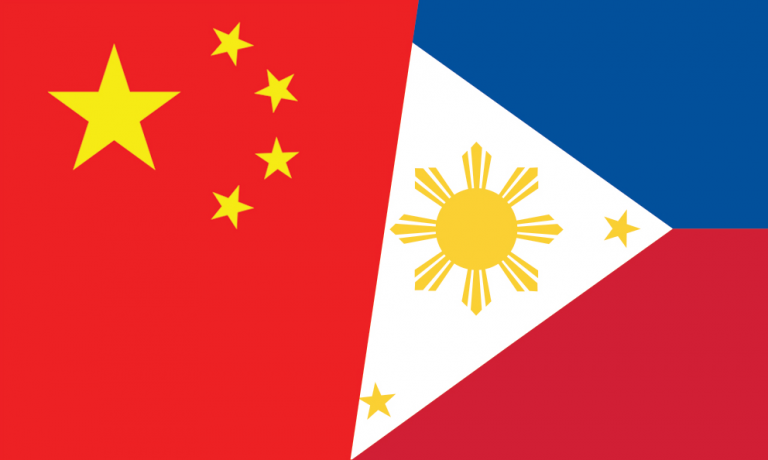
There is a growing concern about the phenomenal increase of Chinese capital flowing into the Philippine economy. China has recently overtaken the US in terms of foreign direct investment (FDI) inflows and trade. In the first semester of 2018, FDI from China amounted to US$175 million as compared with Japan’s US$154 million and US’s US$84 million. From January to September, Philippine exports to China (including Hong Kong) amounted to US$13.9 billion compared with exports to the US worth US$7.8 billion.

Pres. Duterte has also surpassed all previous presidents in terms of his closeness to Beijing and is nearly there in terms of attracting Chinese capital. He has already made three official visits to China, bringing with him a large entourage of businessmen and government officials, and making him the most frequent traveler to China among all Philippine presidents. China currently accounts for Php738 billion or almost half of the Php1.5 trillion flagship infrastructure projects under the Duterte administration’s Build, Build, Build.

China’s portfolio in the Philippines includes: the PNR South Long Haul, Mindanao Railway, Subic-Clark Railway, Chico River Pump Irrigation Project, New Centennial Water Source-Kaliwa Dam, Ilocos Norte Irrigation, Pasig-Marikina River bridges, Davao-Samal bridge, Davao River bridges, Davao City Expressway, Panay-Guimaras-Negros bridge, Camarines Sur Expressway, Agus-Pulangui Hydroelectric Power, and the Ambay-Simuai Rio Grande de Mindanao flood control project. China is also building the Philippine National Police, Bureau of Jail Management and Penology and Bureau of Fire Protection command centers in Metro Manila and Davao.

Pivot from the US to China?

Some quarters wonder if the Philippines is already slipping from the grip of the United States and falling into China’s arms. It must be emphasized, however, that the US and Japan remain dominant in the Philippine economy. They hold the largest FDI stock in the country, which is an important indicator of the extent to which foreign capital exploits Filipino labor, natural resources and markets, and also points to how much of the country’s economic surplus is repatriated abroad. Also, in terms of portfolio investment, the US accounts for 43% of inward hot money while mainland China accounts for only 6%, and Hong Kong, 3 percent. The US can wield these flows to destabilize domestic financial markets and even the peso exchange rate.

Trade-wise, export and import data can be misleading. These do not necessarily reflect trade by Filipino or Chinese enterprises but by US, Japanese, European, Korean, Taiwanese or other firms merely located in the Philippines or China. The US, Japan and Europe in particular are major players in transnational corporation (TNC)-dominated global value chains spread across Factory Asia.

In terms of official development assistance (ODA), although China’s commitment to the Philippines ballooned from only US$1.5 million in 2016 to US$63.5 million in 2017, this is still miniscule compared to Japan’s US$5.3 billion. The US Partnership for Growth is also much more far-reaching. It coordinates efforts by the United States Agency for International Development (USAID), US State Department, Millennium Challenge Corporation (MCC) and other US agencies, involves the World Bank, International Monetary Fund (IMF) and various United Nations (UN) bodies, and incorporates economic policy dictates. This apart from the considerable military and security aid given by the US.

State aid on the outside, corporate-driven on the inside

At any rate, alarm bells are ringing as regards the increasing role of China in the Philippine economy. This is probably stemming from the very nature of Chinese capital. The continued dominance of China’s state-owned enterprises blurs the line between FDI and ODA where both become linked to Chinese foreign policy. Many of these private investments and corporations are also actually owned and controlled by the Chinese bureaucratic elite.

Thus, many large loans and investment have Beijing transacting directly with the Philippine government. This increases its proximity to the Philippine government’s coffers and allows it to demand the Duterte government not only to shell out counterpart funds but also to faithfully – or by all means – abide by its loan obligations.

China as a rising imperialist power is interested in mineral and energy resources, cheap labor — or for the moment – the mobility of its own cheap labor, a market for consumer products, but most of all, a market for its huge surplus infrastructure capacity (in construction, transport, communications). As with other capitalist powers China needs to recycle its surplus capital for profit whether in the form of commercial loans, ODA, or FDI. China actively seeks to open up and make other countries subservient in pursuit of its imperialist objectives and ambitions.

Issues with Chinese capital

Concerns have been raised about the Duterte administration’s avowed reliance on Chinese capital. One concern is how China demands that the projects they fund exclusively use Chinese contractors. This has raised major worries regarding the eligibility and unscrupulous business practices of Chinese firms, some of which have been revealed as on the debarment list of the World Bank. It must be pointed out, however, that Japan and the US have been doing that same sort of tied aid in the Philippines for the longest time. Caution must be exercised in overly focusing on this analysis as there can also be a concerted propaganda effort by the dominant neoliberals to discredit Chinese firms.

Another concern is corruption. Deals with China lack transparency, while the Duterte administration is overtly favoring Chinese firms and investors, local oligarchs and their partners. The Duterte administration earlier came up with special guidelines for Chinese loans and investment presumably to ensure that these would be beneficial to the Philippines and to enhance transparency. But it has only accelerated the process of China’s availment even without clear feasibility studies and cost-benefit analysis.

China’s lack of environmental and labor standards, including its use of its own laborers in the borrowing countries, is also a concern. Indeed, this is worrisome, but it is not as though the US has not led the plunder of Philippine resources and violations or circumvention of labor rights. EU investment, on the other hand, is obliged to conform with human rights standards only as a result of activists’ struggles in the EU and recipient countries. It just so happens that the Chinese government is not accountable to national or international social norms.

Aid or burden?

The core of worries is the growing indebtedness of the Philippines due to the Duterte government’s availment of China’s ODA. But even this concern should be qualified carefully.

Much of what is passed off as Chinese ODA are actually commercial loans, unlike Japanese ODA which are concessional loans coming from the tradition of war repayments. China charges 2-3% interest while Japan offers 0.25-0.75% concessional rate. The Philippine government may also be forced to collateralize state assets as illustrated by the case of Sri Lanka which had been forced to relinquish its strategically located Port Hambantota on a 99-year lease to Chinese firms because it could no longer pay its debt.

Government’s outstanding government debt as of August is Php7.1 trillion or 43% of the gross domestic product (GDP). Public and private foreign debt stands at US$72.2 billion or 22.5% of the GDP. This is indeed worrisome, but commercial credit still accounts for the bulk of foreign debt, while bilateral debt is mostly from Japan, multilateral agencies such as the World Bank and ADB, and the US.

What is driving the Duterte administration to deep indebtedness is its own Build, Build, Build program and the use of hybrid public-private partnership (PPP) absent a strong industrial and economic capacity and foundation. The economy does not have the absorptive capacity, neither does the government. Its reliance on importation is the one that is driving the country to an unprecedented borrowing rate and weaker currency. Due to its shift to hybrid PPP, the Duterte government from the beginning knew that it would need easy, fast and huge funding, and China has the capacity to provide this.

What is worrisome is China’s ‘debtbook diplomacy’ – the terms of reference of the investment deals will drive the country to renewed debt bondage and subservience. These step on the country’s sovereignty that the Duterte government is waiving. The current administration is surrendering sovereign immunity in connection with any loan obligations-related arbitration, is committing to follow China’s laws. It also agrees to subject disputes to the decision of an international arbitration tribunal, as illustrated in the loan agreement for the Chico River Irrigation Pump Project. Problematically, such surrender of sovereignty now becomes the ‘gold standard’ for succeeding loan and investment deals.

Still a willing accomplice

The Duterte government has, from the start, softened its stand against China. China has been aggressively pushing its Belt Road Initiative (BRI), which aims to enhance connectivity between Asia, Europe, and Africa. BRI is composed of the Silk Road Economic Belt (SREB) and the 21st Century Maritime Silk Road (MSR). The start of BRI in 2013 saw a large number of bilateral deals signed between China and participating countries.

The Philippines is not an official BRI participant. But Pres. Duterte attended the BRI Summit, as the administration appears to be particularly interested in the MSR which offers vast infrastructure funding opportunities.

The MSR deals with port network development that will connect Chinese ports to Europe and the southern Pacific Ocean. However, it will run across contested territorial waters.

This explains the Duterte government’s alliance with China and its softening on the country’s territorial claims. It explains as well the current administration’s subservience despite China’s abuses in Philippine territory.

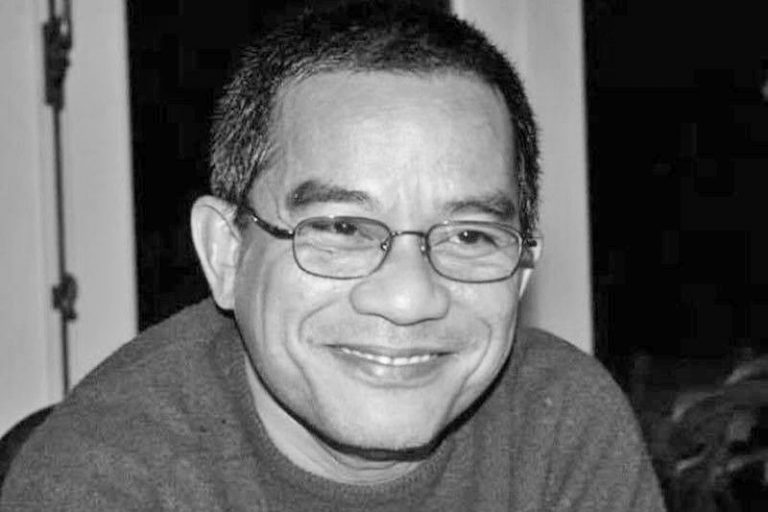
The Death of a Lawyer and The Responsibility of the Intellectual

0

The death of human rights lawyer Benjamin “Ben” Ramos Jr. last November 6 depicts the level of barbarity Philippine politics has sunk into and the staggering sense of inevitability of the consequences for the socially conscious Filipino intellectual.

One is hardly surprised at the fate of Ben Ramos Jr. a “passionate, dedicated and articulate” defender of “peasants, environmentalists, activists, political prisoners and mass organizations in Negros.” According to the National Lawyer Guild–International Committee, Ben “is the 34th lawyer killed under the Duterte administration.”

In a short span of two years under the Duterte administration there has been a tremendous number of persecution and killings of lawyers, priests, religious workers, journalists, peasant leaders, student activists, and political rivals and the thousands of victims and affected by the immoral war on drugs. Political violence is no rarity in the country but such level is quite unprecedented in recent history. For the first time in our national history we have a government, represented by the president, whose passion for violence is the guiding principle of most its policies. Thus encouraging and fomenting a culture of violence in a country that is devastated by the present socio-politico-economic crisis which seems to verge on hopelessness compounded by the incompetence of past administrations. Whatever direction one looks one expects to see blood: the excessive force and power allotted to the police and military who regularly abuse them; local politicians who, in imitation of the president, engage in their own brutal version of drug war; armed vigilante groups financed by powerful landowners in close company with the military and the police.

Despite all this we encounter committed and courageous public intellectuals like Ben Ramos Jr. and that makes a difference and gives us hope.

Ben best stands for what a socially conscious intellectual means by the people he represented and the causes he fought for. Before his death he was “counsel for the Mabinay 6, six youth activists who were arrested in April 2018 on trumped up charges… and the Sagay 9, nine unionized sugarcane farmworkers who were brutally massacred on October 20 for occupying land that was rightfully theirs.”

And the way he lived is touchingly exemplary for its dignity and simplicity. Ben’s widow Clarissa recalled that most of his cases were unpaid; his poor clients, peasants and fishermen of his province, offer in return for Ben’s legal services “banana, fish, chicken, vegetables and sometimes Christmas lantern.” He owned neither a house nor a car in stark contrast to the extravagant, luxurious-loving lifestyles of our power-obsessed politicians who see our country through the tainted windows of their high-class cars. Nevertheless, in spite of the lack of material rewards, he dedicated his intelligence, compassion, energy, and gaiety to the oppressed folks.

It’s difficult to imagine our politicians getting paid with fruits and vegetables or poultry and not owning a house or a car of their own. Because if that were the case none of our politicians today would run for office again.

Ben’s intellectual work as a lawyer was deeply connected to the suffering of farmers and fisherfolk of his hometown in Kabankalan City in Negros Occidental. He was organically linked to this oppressed class, living and working with them through Paghida.et sa Kauswagan Development Group (PDG), a nongovernment organization he cofounded to assist and support the farmers and fishermen in his town.

Such work affirms the side to which the Filipino intellectual dedicates himself: truth and justice, the need to assert the humanity of the oppressed as opposed to power and privilege, the search of status and wealth which is the overwhelming fashion in our political culture.

Although he could have taken a more comfortable path, Ben chose the peripheral, dangerous but significant role in and to the most oppressed class in our society. The role of a socially conscious public intellectual.

To be regarded as a public intellectual implies undertaking tasks outside his or her own specialized field which entails, as Edward Said the Palestinian-American intellectual noted and exemplified, “passionate engagement, risk, exposure, commitment to principles, vulnerability and being involved in worldly causes.”


The quest for truth and justice in a country like the Philippines is not only unrewarding, moreover frequently punished. The mixture of intelligence, compassion and action as embodied by Ben is a serious threat to the powers that be for it inspires emancipatory possibilities, preserving the ideals of freedom, love and justice which our elected leaders with their unique nihilism have utterly abandoned.

If the public looks up to politicians as public intellectuals from what Said underlines, from the most objective, rational point of view, politicians are a compete failure. Politicians who treat their work merely as a profession, as “something you do for a living, between the hours of nine and five with one eye on the clock, and another cocked at what is considered to be proper, professional behavior- not rocking the boat, not straying outside the accepted paradigms or limits making yourself marketable and above all presentable, hence uncontroversial and unpolitical and ‘objective’,” criticized Said.

On the other hand, to be a public intellectual in Ben’s representation is to face constantly the possibility of death. Threats, harassments, intimidation, blackmail are all part of the grim predicament confronting the intellectual. Political tagging the main technique whereby critics of the administration are automatically labelled as rebels, terrorists, communists, and even addicts. Ben’s name was on the terror list by the police. Tagging has been the ideological weapon and justification for most of the political killings in the country. Ben himself was not spared of this ridiculous repression. He was killed pitilessly in a mafia style shooting on November 6. He was 53 years old.

In the face of this level of human brutality, we are inspired by Ben’s courage, intelligence, and above all, his love for the small people. Ben’s unselfishness and intellectual calling seems too remote, too alien in our present age where excessive individualism, fame, narcissism, material possession, love of success are values to be prized and emulated. Yet he proved by his example the demanding responsibility of a true public intellectual and the cost of the pursuit of truth and justice.

Power and privilege and truth and justice are two incompatible and irreconcilable things. The intellectual (in Ben’s standards) cannot embrace the two together: to choose the former implies the renunciation of the latter. Power and privilege demands conformity and acquiescence “not straying outside the accepted paradigms or limits making yourself marketable and above all presentable, hence uncontroversial and unpolitical and ‘objective’”, remarked Said. On the other hand, truth and justice demand laborious and daring acts of moral courage, “passionate engagement, risk, exposure, commitment to principles, vulnerability and being involved in worldly causes.”

While politicians are a failed class of intellectuals the pervading culture of consumption has exacerbated our seriously ailing intellectual culture. The public now looks up to Kris Aquino, Boy Abunda, Karen Davila, Ted Failon and other mainstream figures as intellectuals despite their complete lack of understanding on serious issues. For quite obvious reason: they entertain; they do not teach to think. The addiction of entertainment in the Philippines has gone to irrational heights which is caused perhaps by our failed educational system which in part is a victim of a failed economy. Mindless entertainment does not require us to think, to exercise our critical acumen, but to be passive, to be subservient to what is being told us, to consume and consume: To be uncritical consumers.

Ben’s example suggests that we are more than consumers, that those who have the resources and privilege have the responsibility to take the side of truth and justice. This is a great task.

Benjamin Ramos, 56 years old, was Secretary General of the Negros Chapter of the National Union of People’s Lawyers (NUPL). He represented the Mabinay 6 and the victims of the Sagay massacre.

Carlo Rey Lacsamana is a Filipino, born and raised in Manila, Philippines. Since 2005, he has been living and working in the Tuscan town of Lucca, Italy.

The post The Death of a Lawyer and The Responsibility of the Intellectual appeared first on Manila Today.