Home Blog Page 43

Change in PNP chiefs will test ‘genuineness’ of DOJ drug war review

0

Nov 30, 2021, Lian Buan

The data sharing agreement between PNP and NBI does not spell out the extent of access. It also can be terminated any time.

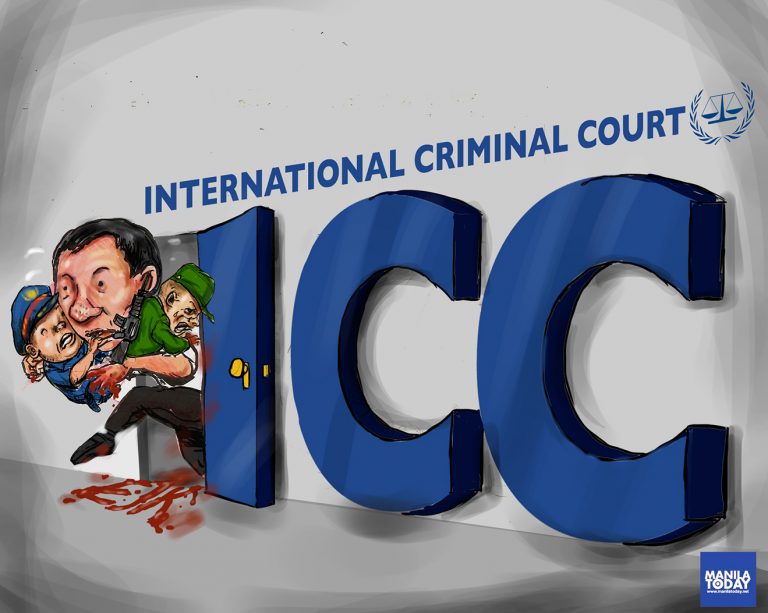
MANILA, Philippines – A change in leadership in the Philippine National Police (PNP) will test how far the bannered Department of Jusice (DOJ) drug war review will go, as the government prepares to submit proof to the International Criminal Court (ICC) of a working local investigation.

Justice Secretary Menardo Guevarra said, “I hope [new PNP chief Dionardo Carlos] will be as cooperative as [former police chief Guillermo] Eleazar.”

The DOJ was able to produce a matrix of 52 cases of police killings in the drug war because Eleazar allowed access to police documents.

Guevarra said that kind of access had been elusive in previous years, but finally happened under Eleazar because of the “political will to do what is right.”

But even then, Eleazar allowed only limited access, from opening up all documents to trimming it down to 52, citing President Rodrigo Duterte’s concern with national security. The 52 case folders were shared because the PNP’s internal affairs service had already finalized its resolution on these.

The DOJ’s matrix unveiled to the public revealed that these cases were mostly kept internal with light penalties imposed.

Eleazar’s short term as PNP top cop has ended, however, and it is now Dionardo Carlos at the helm. Carlos took over on November 12.

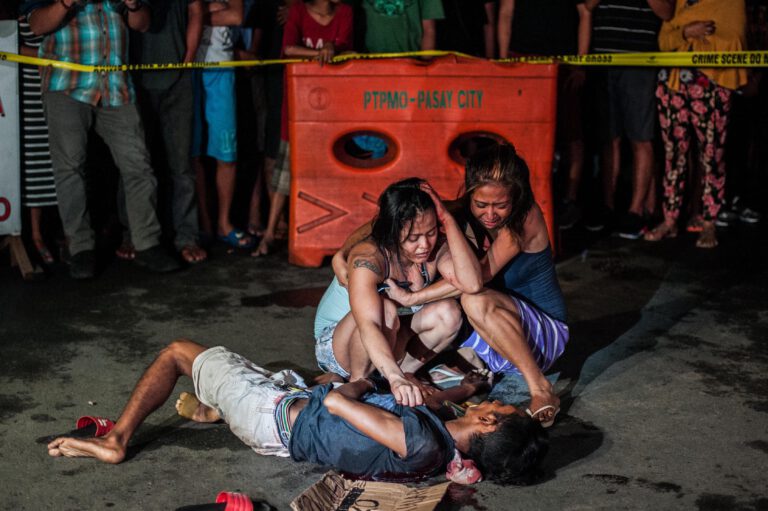
Rappler asked whether the PNP under Carlos will grant full access to all of the documents of drug war killings, both the 7,000 deaths in police operations, and the rest of estimated 20,000 killings by vigilantes.

“We will take the cue from the DOJ on what documents they will need from the PNP. We will be transparent in providing the documents as long as these will undergo the proper legal procedure,” said PNP spokesperson Colonel Roderick Alba on Tuesday, November 30.

‘We trust PNP will keep its word’

Before Eleazar left, he signed on November 3 a Memorandum of Agreement (MOA) with the National Bureau of Investigation (NBI). NBI is under DOJ.

The MOA did not spell out specifics on the extent of access to documents one must give to the other. It just said the NBI and the police “shall collect, provide, and/or transmit documents, records, and any and all relevant evidence in such manner as may be deemed convenient and appropriate to ensure confidentiality.”

The MOA also gave any party the power to terminate the agreement, just as long as there was 30 days prior notice.

For Guevarra, full access to PNP records was a “commitment of the PNP under the MOA.”

“We trust that the PNP as an institution will keep its word of honor,” said Guevarra.

The most that Carlos has said himself was: “The PNP gives its full trust to DOJ’s handling of the drug cases.”

What does all this mean?

As of now, the ICC investigation is on pause after the Philippine government, through Ambassador to the Netherlands Eduardo Malaya, filed a deferral request, mostly citing the DOJ’s drug war review. A deferral request is an option under the Rome Statute which asks the ICC to stop the probe, and defer to its own local investigation.

Primary jurisdiction of local investigations is a crucial design of the ICC, but this was already the subject of the more than two years worth of preliminary examination done by former ICC prosecutor Fatou Bensouda. In requesting, and then securing, the authorization from the pre-trial chamber to investigate, Bensouda has established there was a “failure to take meaningful steps to investigate or prosecute perpetrators of war on drugs killings.”

“It appears that only a handful of token cases – focused on low-level, physical perpetrators – have proceeded to trial,” said Bensouda, which was recognized by the pre-trial chamber.

After the pre-trial chamber authorized the investigation, covering killings made by the so-called Davao Death Squad (DDS), the Philippines filed the deferral request which prompted ICC prosecutor Karim Khan to pause the investigation as part of procedure, while he assessed the request.

Khan said though that he would be asking the Philippines for proof or “tangible evidence, of probative value and a sufficient degree of specificity, demonstrating that concrete and progressive investigative steps,” have been taken.

Guevarra said “if requested by the ICC and authorized by the Philippine government, the DOJ will provide such information as may be needed.”

Rise Up, a group representing drug war victims at the ICC, sent a letter to Khan Tuesday saying that the deferral request was “intended to delay, frustrate, and abort the ICC proceedings.”

Malacañang spokesperson Karlo Nograles said “the ICC prosecutor’s request for information is an acknowledgment that alleged victims can seek redress in Philippine legal institutions because these are independent, impartial, and competent.”

That ICC is a court of last resort is not in dispute. The Rome Statute gives premium to local investigations, that is why there is a preliminary examination to check if the domestic systems are indeed working.

The Center for International Law (CenterLaw) said that by filing the deferral request, the Philippines government “subjects itself to the intrinsic review mechanisms under Article 18 of the Statute.”

Article 18 says that should Khan defer the investigation, he can still review it six months after “or at any time when there has been a significant change of circumstances based on the State’s unwillingness or inability genuinely to carry out the investigation.”

Khan’s resumption of investigation into Afghanistan, after its own deferral request, is believed by some to be prompted by the takeover of Taliban, which can count as “significant change of circumstances.”

Rise Up’s letter to Khan Tuesday said “a domestic proceeding carried out by officials and agencies under the complete control of President Duterte will not be impartial, independent, or credible.”

“It will serve to protect the President and other officials most responsible for the crimes in question,” said Rise Up, represented by the National Union of Peoples’ Lawyers (NUPL).

Rappler has exclusively learned that before the deferral request, ICC has granted limited immunity to self-confessed DDS hitman Arturo Lascañas.

With reports from Jairo Bolledo/Rappler
The revolutionary from Tondo

0

Philippine Daily Inquirer / November 30, 2021

In paying homage today to Andres Bonifacio, the Father of the 1896 Philippine Revolution, we can look at the numerous shrines to him around Metro Manila and elsewhere — mostly overlooked and ignored nowadays — to help us recall the singular heroism the man brought to the fight for Philippine freedom.

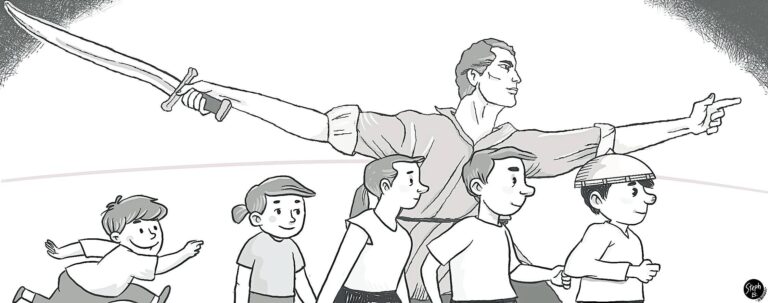
Of several shrines in Metro Manila, the grandest tribute to the firebrand from Tondo is undoubtedly the Andres Bonifacio Monument in Caloocan City. Designed and sculpted by National Artist Guillermo Tolentino, the iconic monument unveiled in 1933 features an obelisk with a tableau of 23 bronze figures. Bonifacio is cast as a towering hero ready to lead the battle with a bolo and a gun in his hands.

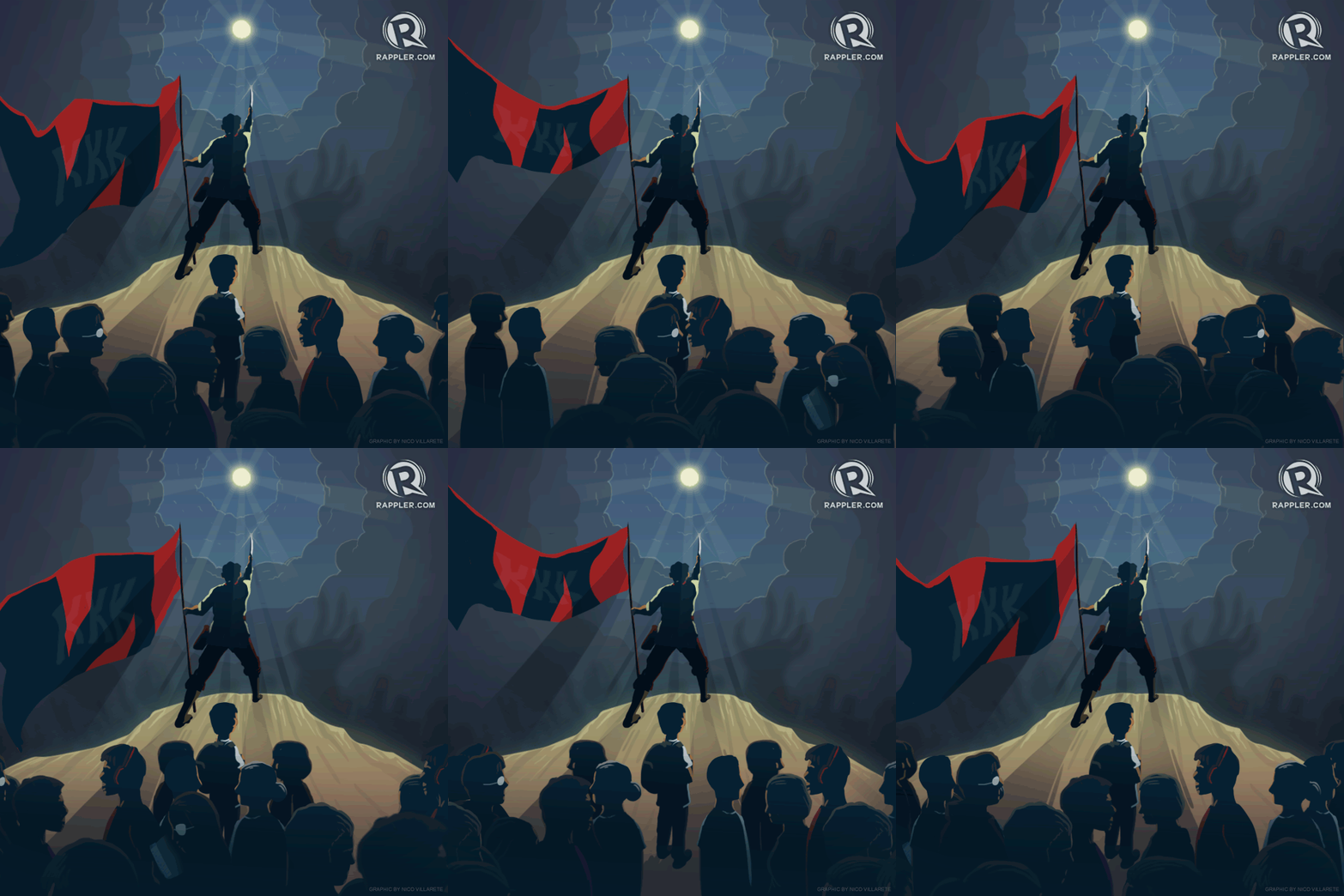
Tolentino’s notes on his winning design were recalled in a 2013 special edition of the Official Gazette to mark the 150th birth anniversary of Bonifacio as well as the 80th anniversary of the unveiling of the edifice now popularly known as “Monumento”: “The main component of the monument is a 45-foot pylon topped by the winged figure of Victory. At its base, on a platform-like structure, are the figures underlining the various causes of the Revolution. The pylon or obelisque (obelisk) is composed of five parts corresponding to the five aspects of the society, Kataastaasan, Kagalanggalang na Katipunan ng mga Anak ng Bayan (Highest and Most Venerable Association of the Sons of the Nation). The base is an octagon, the eight sides standing for the first eight provinces to rise against Spain, also represented as eight rays in the Katipunan flag. The base rises in three steps, each step alluding to each century of Spanish rule.”

Why Caloocan City? “It was there, in August 23, 1896, that Andres Bonifacio led the famous cry that sent the clear message of resistance to Spanish rule,’’ said the Official Gazette.

Putting up the monument to Bonifacio took an arduous 25 years, including a decade of “fierce clashes between Filipino politicians and American Governors-General.” But in 1929 the cornerstone was laid, and the edifice was eventually completed. In 2013, “The monument has stood for eighty years—first a solitary rise in the expanse of Caloocan, and over the years a lynchpin for the city’s landscape to form itself around,” noted the Official Gazette. “It has lent its very name to the area now dotted by establishments that had once almost furtively crept toward it, and which now threaten to tower over its Winged Victory perched forty-five feet from the ground … The Bonifacio Monument, imposing yet graceful, thus manages to both serve as gateway and landmark to the thousands that traverse it, and yet fades into the scenery for those who’ve seen it far too often for far too long.”

The second prize winner in the design contest for the Bonifacio Monument became the Pugad Lawin Shrine in Barangay Bahay Toro in Project 8, Quezon City, commemorating the site where Bonifacio rallied his forces on Aug. 23, 1896. It was there that Bonifacio, Emilio Jacinto, and other Katipuneros tore their cedulas to signal the start of the revolution against Spain, the event becoming known as the “Cry of Pugad Lawin.’’

A Bonifacio monument can also be found in Liwasang Bonifacio in front of the Manila Post Office, which, fittingly enough, has become a historic venue for political protests. And a few meters away across the Manila City Hall is the sprawling Bonifacio and the Katipunan Revolution Monument, designed by Eduardo Castrillo as the centerpiece of the city’s Bonifacio Shrine or Heroes Park.

Perhaps the most hallowed of such shrines should be the one in Maragondon, Cavite where Bonifacio and his brother Andres Procopio were executed in 1897. This place, described by historian and Inquirer columnist Ambeth Ocampo as a once beat-up destination, is now an ecotourism resort. At the Tejeros Convention of 1897 that was marred by the warring factions of the Katipunan, Bonifacio lost to Emilio Aguinaldo in the election for president of the revolutionary government. An angered Bonifacio rejected the results and drew a gun. He and his brother were sentenced to death for treason and executed on a mountain range in Maragondon on May 10, 1897.

As Ocampo has written in his Inquirer column, there is no closure yet to the tragic end of the country’s foremost freedom fighter. Bonifacio’s body and that of his brother have never been found. All that the country has today to remember its greatest hero — side by side with Jose Rizal — are the man’s stirring writings, the enduring sense of national liberty he has bequeathed to his countrymen, and the scattered monuments to his memory, their silhouettes nearly always the same: as the Official Gazette put it, “The nominal hero of the masses, the plebeian idealist, the revolutionary from Tondo, standing still in the midst of the hustle and bustle of the city.”

Ito ang panahon ng pekeng bayani

0

Opinion, Nov 29, 2021, Rappler.com

Ito rin ang panahon ng tapang at paninindigan

Anak daw ng diyos si Pastor Apollo Quiboloy, at dahil dito, nagkamal siya ng multi-milyong-pisong bahay, mga ari-arian maging sa Estados Unidos, at mala-kultong mga deboto. Pero sa tradisyon nina Charles Manson, David Koresh, at Reverend Jim Jones, inakusahan ng sex trafficking si Quiboloy ng mga otoridad sa US.

Habang halos caricature na ng megalomaniac leader si Quiboloy, marami pang mga lider at celebrity na mas disimulado – kaya’t mas makamandag. Sila’y mga master sa manufactured reality gamit ang keyboard army at troll farms nila sa social media. 

Noong Marso 2019, tinanggal ng Facebook ang 200 fake accounts ni Nic Gabunada, ang media manager ni Pangulong Rodrigo Duterte sa election campaign niya noong 2016. Sa katunayan, pinaimbestigahan ng Senado ang paggamit ng pondo ng gobyerno para sa troll farms na ito.

Hindi ito kataka-taka, dahil ayon sa isang pag-aaral, “mas hindi nakakakilatis ang mga supporter ni Duterte ng kaibahan ng tunay sa pekeng balita.” Ang resulta: namayagpag pa rin si Duterte sa ratings na umabot sa 91% kasikatan hanggang Disyembre 2019.

At kung may troll army si “Tatay Digong,” may isa pang dynasty sa pulitika na bihasang-bihasa sa disinformation – ang mga Marcos. 2014 pa nagsimula ang kampanyang ibalik ang anak ni Ferdinand Marcos sa Malacañang sa pamamagitan ng pagbaha ng online propaganda.

Nakapagtahi ng alamat ang anak ng diktador na tagapagmana siya ng Camelot o Golden Age, kung saan ang Pilipinas ay naging mayaman, maunlad at maganda. (BASAHIN Networked propaganda: How the Marcoses are using social media to reclaim Malacañang)

Ang katotohan, kalahati ng followers ni Marcos sa Twitter ay peke. Halimbawa niyan ang kampanyang #BringBackMarcos. Ang mga account na nagpapakalat ay binuo lamang ngayong mag-e-eleksiyon para magtulak ng ilusyon na nagte-trend ang pro-Marcos na hashtag. 

Bayani, Pinoy style

Ano ba ang bayani? Sa kanluraning konsepto, alinsunod ang bayani sa modelo ng mga Griyego – kakaiba ang lakas at tapang, at kadalasan ay infallible o hindi nagkakamali.

Ayon sa historyador na si Xiao Chua, ang depenisyon ng Pilipino ng bayani ay kakaiba – iyong nagsisilbi sa bayan, at walang inaasahang kapalit. 

Pero sakit daw ng Pilipino ang mag-idolo, kaya’t kapag nagkamali o natalisod ang “lodi” ay todo-depensa. Ito raw ang tinatawag ng college textbook historian na si Renato Constantino na “veneration without understanding” o pagsamba nang walang pag-unawa. Ang mainam daw ay “admiration tempered with critical thinking” o paghangang nakatungtong sa lupa gamit ang mapanuring pag-iisip.

Enter, mga tunay na bayani

Madalas napapabuntong-hininga tayo sa kamalasan nating mapabilang sa walang-simbahong pulitika sa bansa, at tumatangis sa alaala ng “better days.”

Pero sabi nga ni Rappler CEO at Nobel Peace Prize awardee na si Maria Ressa tungkol sa pamamahayag: “There is no better time to be a journalist. You know the times when it’s most dangerous are the times when it’s most important.

Ganyan din sa pagiging Pilipino. Wala ring mas mahalagang panahon na maging Pilipino. Dahil ang pinakadelikadong yugto sa kasaysayan ay ang pinakamapagpasya. 

Ito ang panahon para maging bayani – hindi ang Greek hero type, kundi ang Pinoy hero – nagsisilbi nang walang inaasahang kapalit.

Halimbawa ang mga forest defenders na nasa pusod ng kagubatan at ipinagtatanggol ito para sa lahat, lalo na ang susunod na henerasyon.

O ang mga kabataan, na sa kabila ng panganib ng COVID-19, ay tuloy-tuloy ang volunteerism – sa mga community pantry, civic organizations, medical missions at outreach programs. (PANOORIN #BayaniNow: Stories of youth volunteerism)

Ang pagbubuwag ng kasinungalingan ay bahagi rin ng tawag ng panahon – at isang porma ng kabayanihan.

Bakit hindi nanumbalik ang kulto ni Hitler sa Germany at hanggang ngayon ay mariing itinatakwil ng mga kabataang Aleman? Dahil itinuro nila ang leksiyon ng pasismo sa mga paaralan at textbook. Hindi tulad ng Pilipinas matapos ang EDSA uprising, nag-party, at bumalik sa elitist politics na tinawag ni political science professor Julio Teehankee na “authoritarian contamination.”

Kaya’t kabayanihan ang mag-aral ng karapatang pantao at ng kasaysayan. 

Higit sa lahat, sa araw ng paggunita kay Gat Andres Bonifacio, ikagalak nating may kapangyarihan tayong bumoto sa isang halalang magtatakda ng ating kinabukasan.

Ito ang pinakamainam na panahong maging Pilipino. #WeDecide: Atin ang Pilipinas – Rappler.com

Roque’s latest pirouette: From blasting Marcos abuses to endorsing son

0

Nov 29, 2021, Lian Buan

Manila, Philippines

The former presidential spokesperson is joining the Marcos-Duterte senatorial slate as a guest candidate

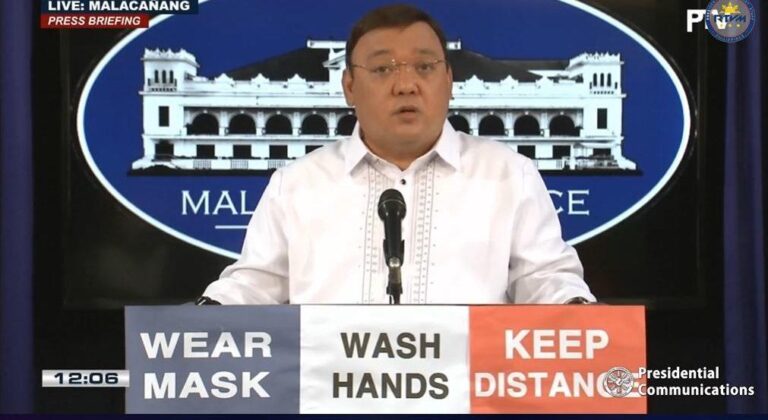
Harry Roque, gunning for a Senate seat in May 2022, has joined the Marcos-Duterte camp, saying he was “endorsing” the presidential bid of the son of the late dictator Ferdinand Marcos and expressing his “desire” to accept an invite to be a guest candidate of their slate.

Roque wrote on November 25 to Ferdinand “Bongbong” Marcos Jr to express such support, according to the Marcos-Sara Duterte campaign. “In a letter to Partido Federal ng Pilipinas chairman Marcos, signed last November 25, Roque, a staunch defender of President Rodrigo Roa Duterte, endorsed the Presidential aspirant and also expressed his desire to accept the adoption of the Partido (PFP) as guest candidate for senator,” said the campaign in a press release Sunday, November 28.

The following day, Roque joined Marcos and vice presidential aspirant Sara Duterte in Cebu City for a regional meet of the League of Municipalities of the Philippines.

Roque’s turnaround is just the latest of many.

The former presidential spokesperson and self-proclaimed human rights lawyer once took part in efforts to institutionalize the indemnification of victims of Marcos’ Martial Law.

As a representative of Kabayan partylist, Roque filed House Bill 226 that sought to make permanent the Human Rights Victims Claims Board (HRVCB).

The HRVCB was created through Republic Act 10368 that mandated the compensation of victims of Marcos’ dictatorship. These are atrocities that Marcos Jr. has neither acknowledged nor apologized for.

In the bill, Roque even pitched to fund the permanent board using proceeds from a 2003 Supreme Court award, where $658 million of the Marcos family’s wealth was declared as ill-gotten.

As Duterte spokesperson, Roque also acknowledged that “there are decisions affirming that there were grave human rights violations committed during the Marcos regime.”

In November 2018, when Imelda Marcos was convicted by the anti-graft court of seven counts of graft, Roque told ANC: “I’m happy that there was finally now a conviction, so that we could now have an authority to say that there were misfeasance and malfeasance created during martial law era. Now we can record it in history.”

Roque was also once described as an “activist during Marcos years” by one of his law professors.

Roque has not responded to Rappler’s question on how he can reconcile this past with his decision to join the Marcos slate.

Roque’s official Facebook page also deleted a main post from April 2016 showing him speaking at a University of the Philippines (UP) forum called “Never Again, Never Forget: Martial Law, the Academe and the Public.”

A secondary post is still up, now swarmed by comments pointing out the irony.

Sara supporter

Roque has always been vocal about his support for Sara Duterte, claiming that his decision to run for the Senate was due to the presidential daughter’s decision to run for vice president.

Roque’s decision to run for the Senate under the People’s Reform Party, however, followed his failed bid to get to the International Law Commission.

That Roque is joining a tandem supported by former president Gloria Macapagal Arroyo’s Lakas-CMD is also a turnaround.

Roque was one of the petitioners in Supreme Court cases against Arroyo, including the landmark David vs Arroyo that declared as unconstitutional parts of her order declaring a state of emergency. – Rappler.com

Carpio doubts Marcos paid penalties imposed by court over tax case

0

By: Marlon Ramos – Reporter / Philippine Daily Inquirer /November 24, 2021

MANILA, Philippines — Did former Sen. Ferdinand “Bongbong” Marcos Jr. just admit his failure to comply with his court sentence?

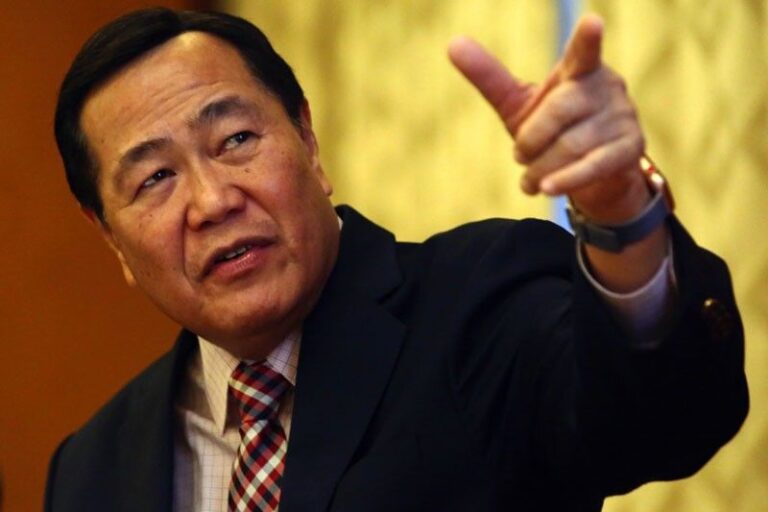
Retired Supreme Court Senior Associate Justice Antonio Carpio raised this question on Tuesday as he noted that Marcos’ camp did not mention if he had satisfied the court’s order for him to settle his tax deficiencies in his answer to the petition opposing his presidential bid in the Commission on Elections.

Instead, the son and namesake of dictator Ferdinand Marcos merely argued that the disqualification case against him should be tossed out since the 1997 ruling of the Court of Appeals (CA) did not find him guilty of committing a crime involving moral turpitude.

The appellate court’s decision upheld the earlier ruling of a Quezon City court in 1995 that found the younger Marcos guilty of nonpayment of taxes and failure to file income tax returns from 1982 to 1985 when he was vice governor and later, governor of Ilocos Norte.

The decision became final and executory in 2001 after he withdrew his appeal in the Supreme Court.

“In his answer, Marcos did not state that he paid the fine and deficiency taxes imposed by the CA,” Carpio told the Inquirer.

“I think [he] did not pay the fine and deficiency income taxes as ordered by the final and executory CA decision,” he added.

Carpio said this could be the reason why Marcos’ counsels, headed by veteran lawyer Estelito Mendoza, did not argue that the petition against him should be junked since he had already served his sentence with the payment of the tax dues and penalties.

Whimsical war

0

Philippine Daily Inquirer /November 23, 2021

The collective reaction to President Duterte’s “blind item” about an allegedly cocaine-using presidential candidate was twofold: first, speculation (and for many, quick conclusion) about who he was alluding to; and second, a question — how come he was revealing this bit of information only now, and the alleged user has not been investigated or charged under his administration’s relentless drug war?

The President has never been shy about brandishing the names of so-called narco-politicians and other purported suspects in public. He has released three such “narco lists’’ in the past years; none of the May 2022 presidential candidates was in any of those lists.

The answer to the question might be found in the other clues provided by the President: This candidate came from a “wealthy family,” and had a well-known father.

The President was clearly aiming to demolish one of the leading rivals of his anointed successor, but in doing so, he also brought out the ugly truth of his administration’s yawning double standard when it comes to the targets of the drug war.

On the one hand, there are the thousands killed since 2016 (8,663 in official records), most of them from destitute communities and whose killings were routinely palmed off by the police as the result of the suspects allegedly having fought it out with the authorities (“nanlaban”). The United Nations Human Rights Office, in its June 2020 report on human rights violations in the country, also documented how police arrested victims without warrants and recovered guns that bore the same serial number from different victims in different locations, indicating the widespread planting of evidence.

On the other hand, there are startling cases of special treatment, like the drug raid last Nov. 6 on a private party held at a beach resort in Mabini town in Davao de Oro province where party drugs and other illegal substances were found to be overflowing. Among those present at the event was Jefry Tupas, the chief information officer of Davao City Mayor Sara Duterte. Tupas claimed she and her boyfriend had left before police and agents of the Philippine Drug Enforcement Agency (PDEA) raided the party, but witnesses said she was among those apprehended. Tupas, according to her fellow partygoers, then whipped out her trump card: “Sir, I am a staff of Inday Sara,” she told the PDEA agents. “What is happening here, Sir?”

The city official was forthwith released without charges. After the raid, Tupas was “terminated’’ from her city hall job. (Tupas was a correspondent for the Inquirer from 2003 to 2015 before resigning to serve as Mayor Sara Duterte’s chief information officer.)

What was made clear by the Davao de Oro party incident was not only that illegal drugs proliferate in the President’s own turf and under the noses of its officials, but also that the well-connected who end up as drug suspects can be untouchable, treated by the police with the lightest of hands.

The whimsical, arbitrary nature of the drug war appears to have likewise slanted the case against Julian Ongpin, son of billionaire business tycoon Roberto Ongpin.

Ongpin was charged with possessing 12 grams of cocaine following the mysterious death of his companion, visual artist Bree Jonson, in a hostel room in La Union on Sept. 18. But a court in La Union last week dismissed the charges over police mishandling of evidence. The court ruled that the police failed to properly mark the sachets supposedly containing the cocaine, thus allowing for the possibility of evidence-tampering. The court also noted that Ongpin was not in the hostel room when the police seized the drugs.

The police and prosecutors had bungled the job early on, when they decided not to immediately arrest Ongpin despite what they claimed was his possession of cocaine, which made the case non-bailable. He was also not charged for the death of Jonson, whom his side said, and the police quickly determined, was a suicide despite the Jonson family’s protests.

The bitter perception that there are different rules for the poor and the rich under the drug war was acknowledged by the President himself at one point. “Why the poor?,” he wondered aloud during an event in Cagayan de Oro on Oct. 20, 2017. “Why are there so many deaths, not the rich? My God, I am telling you, the market of shabu is the poor community.”

But moneyed Filipinos? They use pricier drugs like cocaine and heroin, said Mr. Duterte. “The millionaires, they do shabu in yachts or they go to the airport to do cocaine or heroin. But heroin and cocaine are derivatives of the poppy. It’s not as damaging to the brain.”

From that haphazard rationale has come haphazard justice: High-profile suspects, even those belatedly fingered by Mr. Duterte as indulging in cocaine use, have it easy, while poor and powerless Filipinos turn up as dead, brutalized bodies on desolate streets.

Total COVID deaths in Europe could exceed 2.2 million by March -WHO

0

Reuters – GENEVA, Nov 23 (Reuters) – The World Health Organization (WHO) said on Tuesday a further 700,000 people could die from COVID-19 in Europe by March, taking the total to above 2.2 million, as it urged people to get vaccinated and to have booster shots.

Total cumulative deaths from the respiratory disease in the 53 countries of the WHO’s European region have already surpassed 1.5 million, it said, with the daily rate doubling from late September to 4,200 a day.

The WHO’s European region also includes Russia and other former Soviet republics as well as Turkey.

“Cumulative reported deaths are projected to reach over 2.2 million by spring next year, based on current trends,” it said, adding that COVID-19 is now the top regional cause of death.

High or extreme stress on intensive care units (ICU) is expected in 49 out of 53 countries by March 1, the WHO added.

France, Spain and Hungary were among those countries expected to experience extreme stress in ICU usage in early 2022, according to the data cited by the WHO Europe.

The Netherlands started transporting COVID-19 patients across the border to Germany on Tuesday as pressure rises on hospitals and infections jump to record levels. Austria began its fourth lockdown on Monday. read more

The WHO said a high number of unvaccinated people as well as “reduced vaccine-induced protection” were among the factors stoking high transmission in Europe alongside the dominance of the Delta variant and the relaxation of hygiene measures.

WHO Europe director Hans Kluge urged people to get vaccinated and also to get a booster dose “if offered”.

WHO officials in the Geneva headquarters have previously advised against COVID-19 vaccine boosters until more people around the world have received primary doses. WHO officials did not immediately respond to a request for comment on whether this represented a change in official guidance.

“All of us have the opportunity and responsibility to help avert unnecessary tragedy and loss of life, and limit further disruption to society and businesses over this winter season,” said Kluge.

Reporting by Emma Farge Editing by Gareth Jones

ICC asks PH gov’t to show proof it is investigating drug war killings

0

By: Cathrine Gonzales – Reporter / INQUIRER.net /November 24, 2021

MANILA, Philippines — The International Criminal Court’s (ICC) Office of the Prosecutor said on Tuesday that it will ask the Philippine government for “tangible evidence” of its investigations on alleged crimes against humanity under the Duterte administration’s controversial drug war.

In a statement Tuesday, the ICC said pursuant to Rule 53 of its Rules of Procedure and Evidence, Prosecutor Karim Khan will, in the coming days, request the Philippine government to provide information regarding its investigations and proceedings on its anti-drug campaign.

“The Office of the Prosecutor takes the view that a State requesting deferral under article 18(2) of the Rome Statute must provide information concerning its investigations to support its request,” the statement read.

“Such information must consist of tangible evidence, of probative value and a sufficient degree of specificity, demonstrating that concrete and progressive investigative steps have been or are currently being undertaken to ascertain the responsibility of persons for alleged conduct falling within the scope of the authorized ICC investigation,” it added.

Following a request from the Philippines, the Office of the Prosecutor earlier notified the ICC’s Pre-Trial Chamber of the suspension of its investigation on alleged crimes against humanity in the country. The ICC earlier said it has suspended the probe while assessing the scope and effect of the deferral request.

The Office of the Prosecutor also noted that a deferral “may have a specific or partial effect, rather than a blanket or general effect, on its investigation.”

“Information on national investigations and proceedings therefore informs the Office’s assessment of the precise parameters of any deferral. Additionally, any domestic proceedings must be conducted genuinely as required by the Statute,” its statement read.

“These principles and approach help to ensure a proper balance between the application of the principle of complementarity, fundamental to the Rome Statute, and the Office of the Prosecutor’s ability to discharge, in an efficient and effective way, the responsibilities that the Rome Statute has placed upon it,” it added.

Khan, meanwhile, welcomed the “willingness” of the Philippine government to engage with the Office of the Prosecutor.

“The effective implementation of the Rome Statute is a responsibility shared between the ICC and States, including State Parties to the Rome Statute and other States where the ICC has jurisdiction, such as the Philippines,” the ICC statement noted.

While waiting for additional information from the Philippine government, the Office of the Prosecutor also vowed to be attentive to the security and well-being of victims and witnesses of alleged crimes against humanity under the drug war.

Protests

The Prosecutor’s pronouncements came amid protests on the ICC’s deferral of the probe, with relatives of people killed in President Duterte’s war on drugs accusing the government of attempting to evade accountability.

The ICC, which in September approved an investigation into Duterte’s war on drugs in which thousands of people have died, on Saturday temporarily suspended the probe at Manila’s request.

“I am gripped by anger. I almost threw my cellphone when I read the news,” said Normita Lopez, 57, whose son died in the anti-drugs campaign, her voice cracking with emotion.

“They are obviously scared of being investigated” she said.

Governments can ask the ICC to defer a case if they are implementing their own investigations. However, the ICC may only exercise jurisdiction “where national legal systems fail to do so, which is certainly not the case in the Philippines,” the ambassador to the Hague, Netherlands told the ICC in its letter.

A few weeks after ICC judges approved its probe, the Philippines said it had reviewed 50 cases that indicated foul play.

Still, Kristina Conti, who represents Lopez and other relatives of victims, expects the ICC to resume its probe.

“Our bet is that the ICC will determine the investigation is not genuine,” Conti told Reuters.

Justice Secretary Menardo Guevarra said he had encouraged the victims’ families to file complaints directly with the department and make use of a witness protection program.

The release of details of the 50 drug war deaths marked a rare admission by the state that abuses may have taken place.

“Why is the government only doing this now? Is it because they were rattled by the ICC?,” asked Llore Pasco, 67, whose two sons were killed in the crackdown. “They should have started investigating soon as the killings began in 2016.”

Since Duterte unleashed his drug war, security forces say more than 6,000 suspected drug dealers have been killed because they fought back violently. Rights groups say authorities summarily executed them.

Among those killed was high-school student Kian delos Santos, whose death in 2017 led to the first convictions of police officers in the drug war, and featured in a report by a former ICC prosecutor.

“The families look at the ICC as a source of hope,” said delos Santos’ uncle, Randy. — with reports from Reuters