Home Blog Page 80

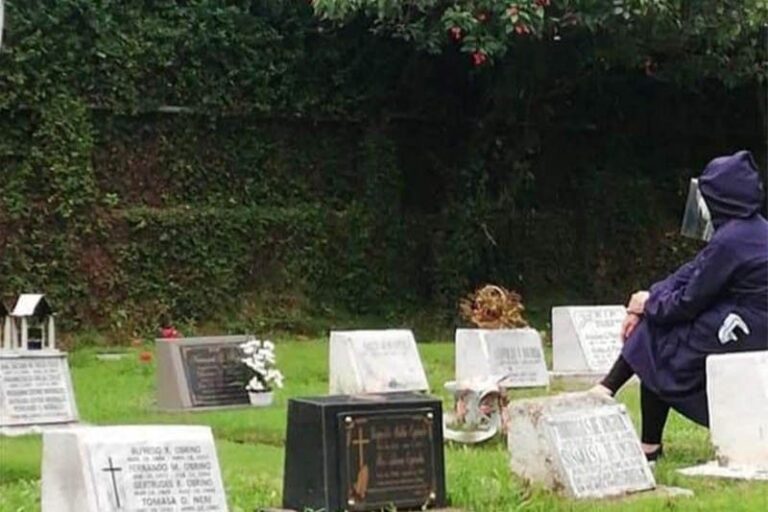
In world’s longest lockdown, processing grief is a lonely and lingering struggle

0

Kristine Joy Patag (Philstar.com) – March 17, 2021

MANILA, Philippines — Thirty-one-year-old marketing professional Stef Reyes was still grappling with the loss of her father when her only brother contracted COVID-19 barely two months later.

Stef rushed her father to the hospital in May 2020 after she and her mother found him half conscious and having difficulty breathing. Shortly after, she had to return to the hospital, that time to get treatment for her brother who had contracted the coronavirus.

By then, hospitals were hitting full capacity and Stef had to go make several phone calls to find a nearby hospital that could accommodate her brother.

“Losing a loved one months ago and facing the thought of possibly losing someone due to lack of hospital beds for COVID patients led to sleepless nights and countless panic attacks,” she added.

After nearly a year of grieving, Stef is still unsure if the wounds of losing her father have healed. The coronavirus pandemic hitting too close to Stef’s home and the continued rise of confirmed COVID-19 cases have only compounded her anxiety over death.

Quarantine protocols

To arrest the spread of the coronavirus, the government in mid-March last year placed Luzon under Enhanced Community Quarantine, keeping millions of Filipinos confined to their homes.

Stef lost her father on May 31, more than two months into the lockdown. The family was at home when her mother woke her and told her of an emergency: Her father was in bed, barely conscious and was having trouble breathing.

She shared they rushed him to the nearby hospital in Angono, Rizal for first aid. Her father was not considered a suspected COVID-19 case at the time, and the hospital was not a COVID-19 referral facility, which allowed them to be with him in the emergency room.

“To be honest, given the gravity and the suddenness of the situation, the thought of potentially having COVID patients in the area was the least of my concerns during that time — thankfully, there were none,” she told Philstar.com.

Since the pandemic, hospitals have set up appointment systems, usually online, for consultations, while tele-medicine or virtual consultations also continue. They have also limited the number of companions a patient can have.

By June 1, when Stef’s family was getting ready to bury her father, Rizal province shifted to looser protocols under General Community Quarantine. Under GCQ, mass gatherings are prohibited, while religious gatherings of no more than ten people were allowed.

Setf said close friends and family were allowed to visit, although visits were limited by restrictions on public transport.

“We were quite strict in limiting the crowd inside the chapel, observing social distancing, and even giving face masks to people who attended the wake as my mom is a senior citizen and is considered high-risk,” she said.

The lockdowns in early 2020 may have also affected the late registration of deaths. The Philippine Statistics Authority in a report in March recorded the highest number of late registrations of deaths, or those whose deaths were registered more 30 days after, for March and April 2020 deaths.

In March, 6,540 deaths were registered late, which is six times more than the 1,067 recorded in the same month in 2019. For April, 6,017 late death registrations were recorded, nearly five times more than the 1,249 in April 2019.

National Statistician Dennis Mapa noted that the spike in late registrations may be due to quarantine measures implemented during those months.

Funerals without hugs

Being in the world’s longest lockdown also means no reunions even among family members. In the past, Filipino Christmas holidays were marked with gatherings, with children lining up to the elderly to receiving blessings through “mano.” But the 2020 holidays were quiet: No caroling, no parties.

Thirty-one-year-old government worker Alice* comes from a tightly-knit family that celebrates holidays and milestones together, with relatives flying in from other provinces and even from abroad.

In 2020, they made do with virtual gatherings. This still allowed them to be together to welcome the New Year despite being miles apart.

In the morning, they learned an uncle who had joined the virtual celebration from Mindanao passed away just hours into 2021.

“We learned about it through phone calls and family group chats… We could’ve been with him that time, had it not been for the lockdown restrictions, as we usually spend the holidays together,” she said.

Alice told Philstar.com that they had to wait for her uncle’s daughter to arrive from abroad, secure requirements for entry into the country and finish her mandatory quarantine before they could lay their uncle to rest.

She was able to pay respect to her relatives who passed away, but only remotely. “One of the cousins subscribed to a premium account of a videoconferencing service just so all family members and loved ones can witness and participate in the daily novena and memorial service,'” Alice said.

“Because of the pandemic, we weren’t able to see and hug each other in grief, comfort or want of physical interaction.”

A study from the US National Library of Medicine National Institutes of Health noted concerns among researchers that the pandemic may hamper a person’s grief process, due to COVID-19 deaths that may be sudden or due to difficulties such as changes in death rituals and difficulties in receiving social support.

Grief researchers Maarten Eisma and Aerien Tamminga found that there was no significant difference in general grief severity before and during the pandemic but “people who experienced a recent loss during the pandemic had higher grief levels than people who experienced a recent loss before the pandemic.”

“Because acute grief is a strong predictor of future disturbed grief, this lends support to predictions that the pandemic will eventually lead to a higher prevalence of grief disorders,” they said.

Among those disorders, complicated grief, according to the Mayo Clinic, involves “feelings of loss [that] are debilitating and don’t improve even after time passes.”

It adds: “In complicated grief, painful emotions are so long lasting and severe that you have trouble recovering from the loss and resuming your own life.” 

‘Pandemic stole my grief process’

Alice said the loss of her uncle may not have completely sunk in yet. They have not seen their other relatives for a long time and seeing them again is still uncertain.

“I’m not sure if their deaths have completely dawned upon us (seeing is believing), but upon introspection, it’s either my personal grief went as swift as their passing or with all that’s happening these days, my brain is rejecting the idea that they’re now gone,” Alice said.

Stef also admitted difficulty in healing. She identifies herself as an extrovert who draws strength from her close friends, but she has not seen them in a year, even when she was mourning her late father.

“Personally, I can say that the pandemic has stolen my grieving process,” she said.
“To be honest, given the gravity and the suddenness of the situation, the thought of potentially having COVID patients in the area was the least of my concerns during that time — thankfully, there were none,” she told Philstar.com.

Since the pandemic, hospitals have set up appointment systems, usually online, for consultations, while tele-medicine or virtual consultations also continue. They have also limited the number of companions a patient can have.

By June 1, when Stef’s family was getting ready to bury her father, Rizal province shifted to looser protocols under General Community Quarantine. Under GCQ, mass gatherings are prohibited, while religious gatherings of no more than ten people were allowed.

Setf said close friends and family were allowed to visit, although visits were limited by restrictions on public transport.

“We were quite strict in limiting the crowd inside the chapel, observing social distancing, and even giving face masks to people who attended the wake as my mom is a senior citizen and is considered high-risk,” she said.

The lockdowns in early 2020 may have also affected the late registration of deaths. The Philippine Statistics Authority in a report in March recorded the highest number of late registrations of deaths, or those whose deaths were registered more 30 days after, for March and April 2020 deaths.

In March, 6,540 deaths were registered late, which is six times more than the 1,067 recorded in the same month in 2019. For April, 6,017 late death registrations were recorded, nearly five times more than the 1,249 in April 2019.

National Statistician Dennis Mapa noted that the spike in late registrations may be due to quarantine measures implemented during those months.

Funerals without hugs

Being in the world’s longest lockdown also means no reunions even among family members. In the past, Filipino Christmas holidays were marked with gatherings, with children lining up to the elderly to receiving blessings through “mano.” But the 2020 holidays were quiet: No caroling, no parties.

Thirty-one-year-old government worker Alice* comes from a tightly-knit family that celebrates holidays and milestones together, with relatives flying in from other provinces and even from abroad.

In 2020, they made do with virtual gatherings. This still allowed them to be together to welcome the New Year despite being miles apart.

In the morning, they learned an uncle who had joined the virtual celebration from Mindanao passed away just hours into 2021.

“We learned about it through phone calls and family group chats… We could’ve been with him that time, had it not been for the lockdown restrictions, as we usually spend the holidays together,” she said.

Alice told Philstar.com that they had to wait for her uncle’s daughter to arrive from abroad, secure requirements for entry into the country and finish her mandatory quarantine before they could lay their uncle to rest.

She was able to pay respect to her relatives who passed away, but only remotely. “One of the cousins subscribed to a premium account of a videoconferencing service just so all family members and loved ones can witness and participate in the daily novena and memorial service,'” Alice said.

“Because of the pandemic, we weren’t able to see and hug each other in grief, comfort or want of physical interaction.”

A study from the US National Library of Medicine National Institutes of Health noted concerns among researchers that the pandemic may hamper a person’s grief process, due to COVID-19 deaths that may be sudden or due to difficulties such as changes in death rituals and difficulties in receiving social support.

Grief researchers Maarten Eisma and Aerien Tamminga found that there was no significant difference in general grief severity before and during the pandemic but “people who experienced a recent loss during the pandemic had higher grief levels than people who experienced a recent loss before the pandemic.”

“Because acute grief is a strong predictor of future disturbed grief, this lends support to predictions that the pandemic will eventually lead to a higher prevalence of grief disorders,” they said.

Among those disorders, complicated grief, according to the Mayo Clinic, involves “feelings of loss [that] are debilitating and don’t improve even after time passes.”

It adds: “In complicated grief, painful emotions are so long lasting and severe that you have trouble recovering from the loss and resuming your own life.” 

‘Pandemic stole my grief process’

Alice said the loss of her uncle may not have completely sunk in yet. They have not seen their other relatives for a long time and seeing them again is still uncertain.

“I’m not sure if their deaths have completely dawned upon us (seeing is believing), but upon introspection, it’s either my personal grief went as swift as their passing or with all that’s happening these days, my brain is rejecting the idea that they’re now gone,” Alice said.

Stef also admitted difficulty in healing. She identifies herself as an extrovert who draws strength from her close friends, but she has not seen them in a year, even when she was mourning her late father.

“Personally, I can say that the pandemic has stolen my grieving process,” she said.
EU provides P130 million grant to aid Covid-19 response in PH

0

By: Christia Marie Ramos – Reporter / INQUIRER.net /March 15, 2021

MANILA, Philippines — The European Union (EU) launched on Monday a P130 million three-year grant to fund pandemic preparedness and response in the Philippines.

The grant, which will be implemented by the World Health Organization (WHO) in the Philippines for a span of three years, is part of the €20.5-million program between the EU and WHO covering eight priority countries in Southeast Asia.

“The European Union is providing €20 million for a new program. The project will support preparedness and response capacities of our partners in the Association of Southeast Asian Nations and about €2.3 million or P130 million will directly benefit the Philippines,” Ambassador of the European Union to the Philippines Luc Véron said during the launch event.

“We now see a light at the end of the tunnel with the arrival of the vaccines but we are not out of the tunnel yet. It is important to not let our guard down. Preventing and containing Covid-19 outbreaks and safely treating those who catch it remain a top priority, at the same time we need to build back better,” he added.

According to WHO representative to the Philippines Dr. Rabindra Abeyasinghe, the EU grant will support the organization to “build and strengthen Covid-19 response activities and capacities” in the country.

A portion of the EU-funded assistance will be spent on WHO-backed activities to help prepare for the roll-out of Covid-19 vaccines, the EU said in a statement.

The majority of the funding, it added, will be invested by WHO to further strengthen the capacity of the Philippine’s health system to rapidly identify, respond to and suppress the spread of the virus.

The EU noted that the specific areas of actions under the EU grant in the Philippines include the following:

  • strengthening surveillance, risk assessment and contact tracing activities
  • enhancing the functions of national laboratories
  • improving case management, infection, prevention and control
  • utilizing risk communications and community engagement approaches
  • implementing specific public health measures for travel and points of entry
  • scaling up readiness for Covid-19 vaccines
  • identifying and maintaining essential health services and systems
  • operational support and logistics

Abeyasinghe also noted the spike in Covid-19 cases in the country in the past week.

“Vaccines have arrived but the vaccines alone cannot prevent the spread of Covid-19 and it will be many months will we succeed in vaccinating a significant proportion of the population,” he said.

He added that “much work remains and much strength will be required” the country’s response to the pandemic.

“Continued strength for policy makers and leadership to make wise decisions for the health and safety of people and communities throughout the Philippines and continued strength from health care workers, who are critical links in a fragile fence, working to protect their countrymen and the country from Covid-19,” he said.

The WHO official further reminded Filipinos to “carry on with the prevention measures.”

Health Secretary Francisco Duque III also welcomed the EU grant, saying this will ensure a more inclusive response to the pandemic.

“This support of the EU to the WHO will help ensure that the pandemic response is able to reach all those who are uniquely vulnerable, experiencing barriers to health due to their social as well as economic conditions,” Duque said.

The Most Famous Artists in Every Country, According to Google

0

By Anri Ichimura, Esquire Philippines

Juan Luna trumps Da Vinci in the Philippines.

The most famous artist in the Philippines is undoubtedly Juan Luna, the painter and activist who paved the way for the artists that came after him. As brilliant as he was controversial, his “accidental” murder, dubbed a crime of passion, of his wife and mother-in-law has only further increased his popularity—or is it infamy? Either way, there is no denying his fame, which is why we weren’t surprised to find out that Juan Luna is the most Googled artist among Filipino netizens.

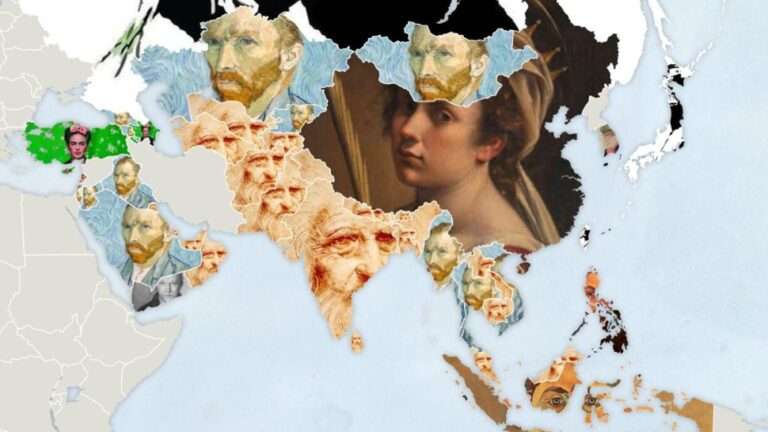
According to Google data gathered and compiled by U.K.-based company Ken Bromley, Juan Luna is one of the few local artists that reigns as the most popular or “most googled” artist of their home country. While the Philippines’ most popular artist is a Filipino, the same can’t be said for other countries. That title goes to the famed international art icons Leonardo da Vinci, Frida Kahlo, and Vincent van Gogh.

Da Vinci is the most popular artist in 82 countries, stretching from South Asia to the southern half of Africa. Meanwhile, Frida Kahlo comes in at second place with 29 countries across South and North America, including the U.S.A. Van Gogh takes third place with 24 countries, including Canada, Mongolia, and Saudi Arabia.

Other notable mentions include Artemisia Gentileschi, Picasso, and Banksy, one of the only living artists on the list. Despite never having confirmed his name or identity, Banksy is still the most popular artist in countries like the U.K., France, Russia, and Japan.

But unlike other countries that appear to be googling international artists like da Vinci more than local artists, the Philippines is googling Juan Luna more than even van Gogh or Banksy. It’s important to note that the data was compiled using Google Keyword data and Google searches, the modern metric of “popularity.” But that doesn’t necessarily equate to admiration or respect. 

Activists launch protest at PH Embassy to Defend Southern Tagalog Region

0

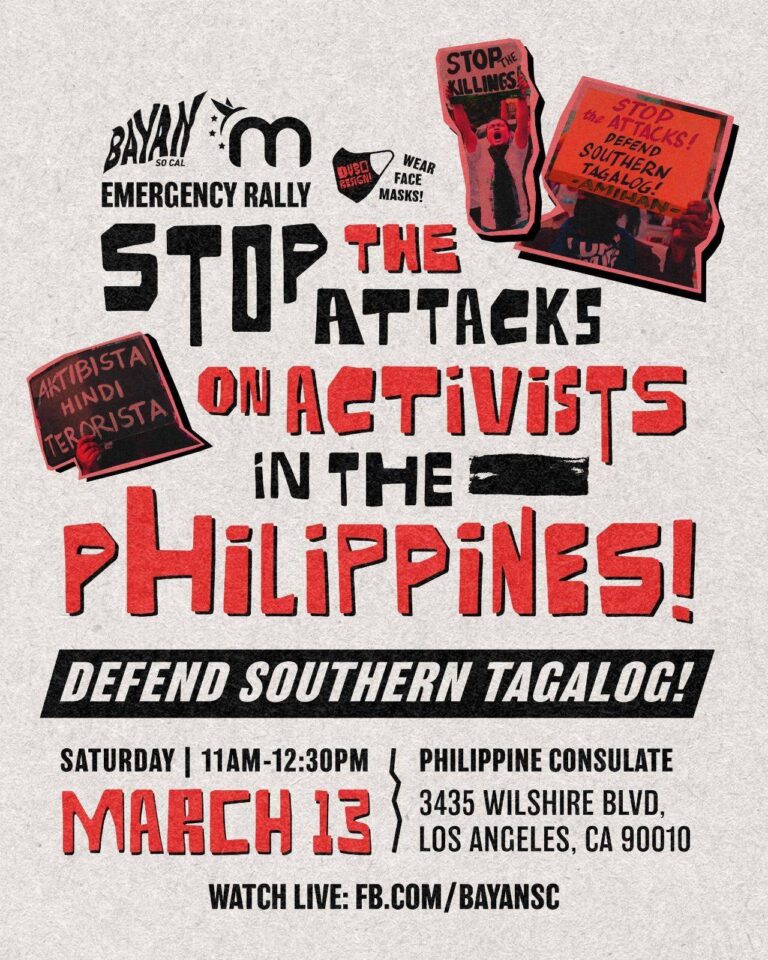
WASHINGTON, DC – OVER SEVENTY ACTIVISTS and solidarity allies staged a protest action
and program in front of the Philippine Embassy on Saturday to denounce the March 7th
crackdown on trade unionists and grassroots organizers in the Southern Tagalog Region, outside of Metro Manila, in the Philippines, which left at least nine dead and six arrests in one day alone.


“Today we remember Greg Dasigao who fought for farmers and provided relief operations in
poor communities, Dumagats Randy and Puroy dela Cruz who fought for Indigenous rights of
the Dumagat tribe in Sierra Madre, Makmak Bacasno and brothers Abner and Edward Esto who fought for housing rights to address homelessness in Rizal, environmentalist couple Chai
Lemita and Ariel Evangelista who fought for peasant & fisherfolk rights, and human rights and
environmental activist, BAYAN-Cavite’s coordinator – Ka Manny Asuncion,” shared Janeva from
Anakbayan DC, a comprehensive youth mass organization for National Democracy.


Janeva went on to add more details on what became known as “Bloody Sunday:: “In the early
hours of Sunday morning, police have carried out synchronized and simultaneous operations
serving blank search warrants after the fact that they have trespassed the households of community organizers to plant weapons. When we say weaponizing the law, the police and the
judges who serve these warrants know that accusing them of illegal possession of firearms
would be non-bailable. To make matters worse, the police have not returned the bodies of the
four slain activists in Rizal to their families, and eventually detained the relatives and the
paralegals in the funeral home overnight. This is unacceptable, hindi na ho ito makatao (this is
no longer humane).”


For Kabataan Alliance’s Carmela, the call to “Defend Southern Tagalog” was personal: “I was
born and raised in Mindoro, which is part of Southern Tagalog. Just across from my island is
Batangas, where the couple, Chai Lemita Evangelista and Ariel Evangelista, were killed on
March 7, on Bloody Sunday. They were fisherfolk who worked as staffers with the Ugnayan ng
Mamamayan Laban sa Pagwawasak ng Kalikasan at Kalupaan (Coalition of Citizens Against
the Destruction of Nature and the Land or UMALPAS KA [Tagalog for Resist]) in Nasugbu,
Batangas. It’s terrifying because it’s so close to home.”


Delia from Gabriela DC added that the Evangelista “couple was killed [by the police] while they
were sleeping in their home in the morning hours. They were survived by their 10-year-old child.”

Bennard, a member of BAYAN’s Migrante DC, implored: “Anong klaseng sistema ang
gumagamit ng dahas upang patahimikin ang mga boses na wala namang isinisigaw
kung ‘di para ipaglaban ang mga karapatan ng mga Pilipino? Sinong mga berdugong duwag na ito na pinasok ang mga bahay ng ating mga kasama upang sila ay dakpin o patayin habang sila ay natutulog? (…) hindi lang kalungkutan ang nagdala sa atin dito sa harap ng embahada. Tayo rin ay dinala ng ating galit hindi lang sa rehimeng Duterte kundi pati na rin sa sistema na nagsilang sa mga taong katulad niya. “(What kind of system uses violence to silence the voices that raises nothing but the calls to fight for the rights of Filipinos? Who are these cowardly executioners that raided the homes of our comrades to arrest or kill them while they were asleep? It is not only grief that brings us here in front of the Embassy, but we are also here in our rage against the Duterte Regime and the system which has created it.)
Jo of Gabriela DC, spoke up about the red-baiting of activists and extra-judicial killings, “The
national officers of Gabriela Philippines, women union leaders, prominent journalists, and others have been targeted by the [Philippine] National Task Force to End Local Communist Armed Conflict (NTF-ELCAC). Among them more than 290 extra-judicial killings of farmers–36 who had been peasant women–and also currently 98 women political prisoners are still behind
bars.These attacks are all part of Duterte’s counterinsurgency program, meant to crush all
dissent and particularly the national democratic movement. However, these killings only show
that the dissent is justified, and now more than ever, it’s very necessary.”


Malaya Movement’s Josef declared: “We do not live in normal times. In the Philippines, there is
a war criminal, sitting as president who is unleashing his attack dogs, telling them to ‘Kill! Kill!
Kill!’–to disregard human rights. And it is not just Duterte that is wrong, it is all those that are enabling him. It is like the [Philippine] ambassador, [Jose Manuel Romualdez], that sits
there in that Embassy – needs to be held accountable!” “Best way to honor those that have died is to take up those issues that they have fought for all their lives–workers issues, women’s issues,..climate issues. This is what they were advocating for in the night they were dehumanized, tortured, and killed, and if we want to honor them, I am begging you to join an organization if you’re not part of ne. Join a solidarity organization — for the Philippines,” added Josef.


Solidarity allies and non-Filipinos were in no shortage alike at this rally. Stressing the role of
US-backed dictatorships, Andre Powell of People’s Power Assembly Baltimore, added “We
all know very well where the money comes from that backs this dictator…Our [US] government
passes the laws and approves the financial measures to give to other countries that murder,
arrest and harrass poor working people, and their organizations fighting to make life better.”Jhong Delacruz, coordinator for BAYAN in the DMV, acknowledged the presence of the BAYAN member-organizations present, Anakbayan DC, GABRIELA DC and Migrante DC, and invited everyone to join these organizations in this call to action: “BAYAN was founded back in 1983, at the height of the fascist Marcos dictatorship, not quite unlike the one we’re under today…Bullets and bombs are what they will use against us, but our principles and unity is our strongest defense…By building our organizations, by building BAYAN, this is the concrete justice that will avenge the lives of the kasamas. This will bring about the fundamental change they gave their lives for.”


In the light of this intensified campaign by ‘state-sponsored forces’ and the spate of human
rights violations, BAYAN member-organizations and solidarity organizations unanimously
renewed the call to endorse the Philippine Human Rights Act, which effectively suspends US
military aid to the Philippines until such time that human rights violations by Philippine security
forces cease and the responsible state forces are held accountable. # (Press Release from Bayan-USA).

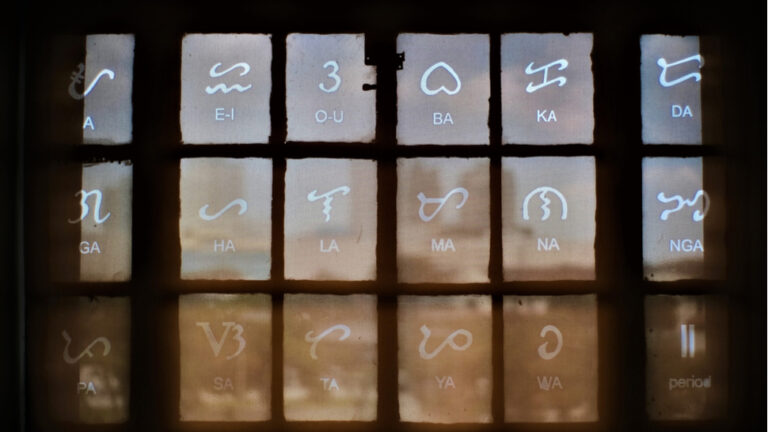
These Precolonial Filipino Words Recorded by Pigafetta Are Still Used Today

0

By Mario Alvaro Limos, Esquire Philippines

Five hundred years ago, Antonio Pigafetta preserved snapshots of the lives and culture of the precolonial Filipinos. Pigafetta was an Italian scholar and explorer who chronicled the first circumnavigation of the world led by Ferdinand Magellan. 

The voyage was so significant because, finally, it proved the world was not flat and suggested that maybe, the Earth wasn’t the center of the universe, after all. 

But it also led to other misconceptions: Filipinos are heathens who played a violin with copper strings. At least that’s what Pigafetta wrote. 

After the death of Magellan at Mactan, Pigafetta had some time to record the words used by the locals from Cebu. The prolific chronicler also described the island:

In that island are found dogs, cats, rice, millet, panicum, sorgo, ginger, figs (bananas), oranges, lemons, sugarcane, garlic, honey, cocoanuts, nangcas, gourds, flesh of many kinds, palm wine, and gold. 

It is a large island, and has a good port with two entrances—one to the west and the other to the east northeast. It lies in x degrees of latitude toward the Arctic Pole, and in a longitude of one hundred and sixty-four degrees from the line of demarcation. Its name is Zubu (Cebu). We heard of Malucho there before the death of the captain-general. Those people play a violin with copper strings.

In his observations, he noted that precolonial Filipinos knew how to count. He also noted that the locals were sophisticated enough to comb their hair (they had a tool for that), and that they had actual words for the different parts of their body. 

Interestingly, most of these precolonial Filipino words recorded by Pigafetta are still in use today. 

In his book, Primo viaggio intorno al mondo, (First Voyage Around the World), he takes care to record as many Filipino words as he can. Disparagingly, or perhaps because of his Eurocentric sense of superiority, he wrote:

Vocabuli de questi populi gentili.” Which is loosely translated as, “Words of those heathen people.” 

The following are the Visayan words Pigafetta transcribed 500 years ago, most of which are still used today. 

for man: lac 

for woman: paranpaon 

for young woman: beni beni 

for married woman: babay

for Hair: boho

for face: guay

for eyelids: pilac

for eyebrows: chilei

for eye: matta 

for nose: ilon 

for jaws: apin 

for lips: olol

for mouth: baba

for teeth: nipin 

for gums: leghex 

for tongue: dilla 

for ears: delengan

for throat: liogh 

for neck: tangip 

for chin: queilan 

for beard: bonghot 

for shoulders: bagha 

for spine: licud 

for breast: dughan

for body: tiam 

For armpit:   ilot 

for arm: botchen 

for elbow: sico 

for pulse: molanghai 

for hand: camat

for the palm of the hand: palan 

for finger: dudlo 

for fingernail: coco 

for navel: pusut 

for penis: utin 

for testicles: boto

for vagina: billat

for to have communication with women: jiam 

for buttocks: samput 

for thigh: paha 

for knee: tuhud 

for shin: bassag bassag

for calf of the leg: bitis 

for ankle: bolbol 

for heel: tiochid 

for sole of the foot: lapa lapa 

for gold: balaoan 

for silver: pilla 

for brass: concach 

for iron: butan 

for sugarcane: tube 

for spoon: gandan 

for rice: bughax baras 

for honey: deghex 

for wax: talho 

for salt: acin 

for wine: tuba, nio, nipa 

for to drink: minuncubil 

for to eat: macan 

for hog: babui 

for goat: candin 

for chicken: monoch 

for millet: humas 

for sorgo: batat 

for panicum: dana

for pepper: manissa 

for cloves: chianche

for cinnamon:   mana

for ginger: luia 

for garlic: laxuna 

for oranges: acsua 

for egg: silog 

for cocoanut: lubi 

for vinegar: zlucha 

for water: tubin 

for fire: clayo 

for smoke: assu 

for to blow: tigban 

for balances: tinban

for weight: tahil

for pearl: mutiara 

for mother of pearl:   tipay 

for pipe [a musical instrument]:   sub in 

for disease of St. Job:   alupalan

bring me:   palatin comorica 

for certain rice cakes:   tinapai

good: main 

no:  tidale 

for knife:   capol, sundan 

for scissors: catle 

to shave: chunthinch 

for a well-adorned man: pixao

for linen: balandan

for the cloth with which they cover themselves: abaca 

for hawk’s bell: coloncolon

for pater nosters of all classes: tacle 

for comb:   cutlei, missamis 

for to comb: monssughud 

for shirt: abun

for sewing-needle: daghu 

for to sew: mamis 

for porcelain: mobuluc 

for dog: aian, ydo 

for cat:   epos

for their scarfs:  gapas 

for glass beads: balus 

come here: marica 

for house: ilaga, balai 

for timber: tatamue 

for the mats on which they sleep: tagichan 

for palm-mats: bani 

for their leaf cushions: uliman 

for Wooden platters: dulan 

for their god: Abba

for sun: adlo

for moon:   songhot 

for star: bolan, bunthun 

for dawn: mene 

for morning: uema 

for cup: tagha 

large: bassal 

for bow: bossugh 

for arrow: oghon 

for shields: calassan

for quilted garments used for fighting: baluti 

for their daggers: calix, baladao

for their cutlasses: campilan 

for spear: bancan 

for like: tuan

for figs [i.e., bananas]:  saghin 

for gourds: baghin

for the cords of their violins: gotzap 

for river: tau 

for Fishing-net: pucat, laia 

for small boat : ampan 

for large canes: cauaghan 

for the small ones: bonbon 

for their large Boats: balanghai 

for their small Boats: boloto

for crabs: cuban 

for fish: icam, yssida

for a fish that is all colored panapsapan for another red [fish]: timuan 

for a certain other [kind of fish]: pilax 

for another [kind of fish]: emaluan 

all the same: siama siama 

for a slave: bonsul 

for gallows: bolle 

for ship: benaoa 

for a king or captain-general:  raia

Numbers 

one: uzza

two: dua 

three: tolo 

four: upat 

five: lima 

six: onom 

seven: pitto 

eight: gualu 

nine: ciam 

ten: polo

In his observations, he noted that precolonial Filipinos knew how to count. He also noted that the locals were sophisticated enough to comb their hair (they had a tool for that), and that they had actual words for the different parts of their body. 

Interestingly, most of these precolonial Filipino words recorded by Pigafetta are still in use today. 

In his book, Primo viaggio intorno al mondo, (First Voyage Around the World), he takes care to record as many Filipino words as he can. Disparagingly, or perhaps because of his Eurocentric sense of superiority, he wrote:

Vocabuli de questi populi gentili.” Which is loosely translated as, “Words of those heathen people.” 

The following are the Visayan words Pigafetta transcribed 500 years ago, most of which are still used today. 

for man: lac 

for woman: paranpaon 

for young woman: beni beni 

for married woman: babay

for Hair: boho

for face: guay

for eyelids: pilac

for eyebrows: chilei

for eye: matta 

for nose: ilon 

for jaws: apin 

for lips: olol

for mouth: baba

for teeth: nipin 

for gums: leghex 

for tongue: dilla 

for ears: delengan

for throat: liogh 

for neck: tangip 

for chin: queilan 

for beard: bonghot 

for shoulders: bagha 

for spine: licud 

for breast: dughan

for body: tiam 

For armpit:   ilot 

for arm: botchen 

for elbow: sico 

for pulse: molanghai 

for hand: camat

for the palm of the hand: palan 

for finger: dudlo 

for fingernail: coco 

for navel: pusut 

for penis: utin 

for testicles: boto

for vagina: billat

for to have communication with women: jiam 

for buttocks: samput 

for thigh: paha 

for knee: tuhud 

for shin: bassag bassag

for calf of the leg: bitis 

for ankle: bolbol 

for heel: tiochid 

for sole of the foot: lapa lapa 

for gold: balaoan 

for silver: pilla 

for brass: concach 

for iron: butan 

for sugarcane: tube 

for spoon: gandan 

for rice: bughax baras 

for honey: deghex 

for wax: talho 

for salt: acin 

for wine: tuba, nio, nipa 

for to drink: minuncubil 

for to eat: macan 

for hog: babui 

for goat: candin 

for chicken: monoch 

for millet: humas 

for sorgo: batat 

for panicum: dana

for pepper: manissa 

for cloves: chianche

for cinnamon:   mana

for ginger: luia 

for garlic: laxuna 

for oranges: acsua 

for egg: silog 

for cocoanut: lubi 

for vinegar: zlucha 

for water: tubin 

for fire: clayo 

for smoke: assu 

for to blow: tigban 

for balances: tinban

for weight: tahil

for pearl: mutiara 

for mother of pearl:   tipay 

for pipe [a musical instrument]:   sub in 

for disease of St. Job:   alupalan

bring me:   palatin comorica 

for certain rice cakes:   tinapai

good: main 

no:  tidale 

for knife:   capol, sundan 

for scissors: catle 

to shave: chunthinch 

for a well-adorned man: pixao

for linen: balandan

for the cloth with which they cover themselves: abaca 

for hawk’s bell: coloncolon

for pater nosters of all classes: tacle 

for comb:   cutlei, missamis 

for to comb: monssughud 

for shirt: abun

for sewing-needle: daghu 

for to sew: mamis 

for porcelain: mobuluc 

for dog: aian, ydo 

for cat:   epos

for their scarfs:  gapas 

for glass beads: balus 

come here: marica 

for house: ilaga, balai 

for timber: tatamue 

for the mats on which they sleep: tagichan 

for palm-mats: bani 

for their leaf cushions: uliman 

for Wooden platters: dulan 

for their god: Abba

for sun: adlo

for moon:   songhot 

for star: bolan, bunthun 

for dawn: mene 

for morning: uema 

for cup: tagha 

large: bassal 

for bow: bossugh 

for arrow: oghon 

for shields: calassan

for quilted garments used for fighting: baluti 

for their daggers: calix, baladao

for their cutlasses: campilan 

for spear: bancan 

for like: tuan

for figs [i.e., bananas]:  saghin 

for gourds: baghin

for the cords of their violins: gotzap 

for river: tau 

for Fishing-net: pucat, laia 

for small boat : ampan 

for large canes: cauaghan 

for the small ones: bonbon 

for their large Boats: balanghai 

for their small Boats: boloto

for crabs: cuban 

for fish: icam, yssida

for a fish that is all colored panapsapan for another red [fish]: timuan 

for a certain other [kind of fish]: pilax 

for another [kind of fish]: emaluan 

all the same: siama siama 

for a slave: bonsul 

for gallows: bolle 

for ship: benaoa 

for a king or captain-general:  raia

Numbers 

one: uzza

two: dua 

three: tolo 

four: upat 

five: lima 

six: onom 

seven: pitto 

eight: gualu 

nine: ciam 

ten: polo

Source: Primo viaggio intorno al mondo (1519–1522), by Antonio Pigafetta.

Close to 384K overseas Filipinos repatriated since start of pandemic — DFA

0

By: Neil Arwin Mercado – Reporter /INQUIRER.net /March 11, 2021

MANILA, Philippines — More than 383,000 overseas Filipinos have been repatriated back to the Philippines since the start of the coronavirus pandemic in 2020, the Department of Foreign Affairs (DFA) reported Thursday.

During the online hearing of the House committee on overseas workers affairs, the DFA said they have repatriated 383,917 overseas Filipinos —of which 281,355 are land-based overseas Filipinos, while 102,562 are sea-based.

The repatriated Filipinos came from more than 90 countries and 150 cruise ships and other vessels.

Of the more than 383,000 overseas Filipinos repatriated since the start of the pandemic, more than 327,000 were brought back in 2020.

More than 60 percent of these OFWs came from the Middle East, 15.26 percent from Asia and the Pacific, and 9.4 percent from the Americas. Overseas Filipinos were also repatriated from Europe and Africa, the DFA said.

The DFA likewise reported that 15,874 overseas Filipinos have contracted COVID-19 as of March 11.

Of this number, 5,280 are undergoing treatment, 9,553 have recovered or have been discharged, and 1,041 have died.

Fil-Am Groups, US Supporters Decry “Bloody Sunday”, Killings of Activists

0

March 14, 2021

Over 400 plugged into Zoom and Facebook last Thursday for an online rally condemning the recent killing spree of activists in the Philippines by Philippine police and military in the Southern Tagalog region of the country. 

Speakers from the Philippines gave first hand accounts of what has been taking place after President Rodrigo Duterte gave “shoot-to-kill” orders against communist rebels earlier this year in a style similar to the so-called Drug War being enforced by the Philippine National Police in the urban slums.

Duterte’s Bloodbath

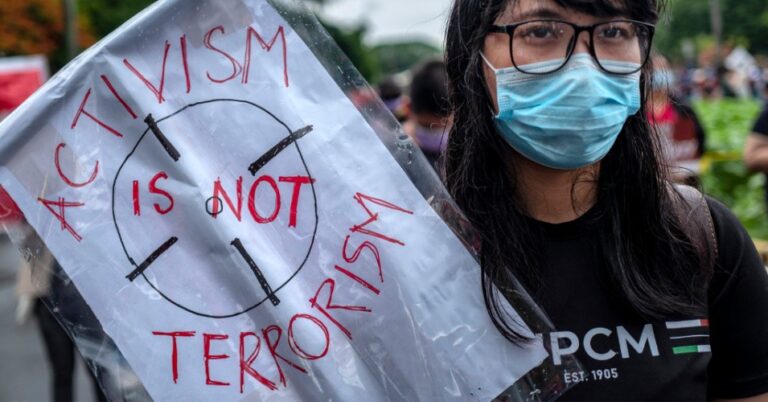
Dubbed “Bloody Sunday,” the killings of 9 activists and arrests of 6 activists affiliated with Bagong Alyansang Makabayan, or BAYAN, are the latest in an increasing wave of state repression of government critics under the Duterte administration. Under the Anti-Terror Act passed in 2020, many legal organizations, including BAYAN, have been summarily tagged as “communist-terrorists,” even though the communist insurgency is being waged in the far-flung regions of the countryside and in the mountains, not in the cities. 

“To everyone in the US, our comrades here are righteous activists, who don’t have weapons in our offices, who fight for the poor and marginalized sectors in the region,” stated Casey Anne Cruz, spokesperson and regional coordinator for BAYAN Southern Tagalog.

Prior to Southern Tagalog, BAYAN-affliated activists were killed in Negros, Panay, Leyte, Metro-Manila, and Northeastern Mindanao in joint operations of the Philippine National Police (PNP) and Armed Forces of the Philippines (AFP).

“Our friends and comrades are good people. They are not terrorists. The Philippine government claims to wage its counterinsurgency against CPP-NPA [Communist Party of the Philippines-New People’s Army] who are in the countryside, but it directs its attacks on activists and service organizations in the cities and semi-urban centers,” stated Eleanor De Guzman of the Kilusang Mayo Uno (KMU), a national alliance of unions and worker centers in the Philippines, and member organization of BAYAN. 

End US Support to the Duterte Regime

Several US organizations supported the rally and gave messages of solidarity, including the urgency to pass the Philippine Human Rights Act (PHRA) in Congress, which would suspend US aid to the Philippine government until human rights violations linked to state forces are investigated and those responsible are held accountable. 

“We are complicit as we are giving our US taxpayer money, so we have got to end the US military support to the Philippines. Stop the attacks on our brothers and sisters. Words are cheap, it is the action that we must turn to,” rallied Shane Larson, National Legislative Director of the Communication Workers of America (CWA), a leading trade union in the US advocating for the passage of the PHRA in Congress. He urged other trade unions in the US to follow suit. 

“Our struggle in the US as African Americans is for liberation,” stated Michael Sampson of the National Alliance Against Racist and Political Repression (NAARPR). “We see the same enemy funding a US puppet regime in the Philippines is the same enemy here in the US—and waging war against our people in the streets.”

In 2007, a landmark US Senate hearing on the human rights situation in the Philippines and culpability of the Philippine military led to cuts in US military aid to the Philippines in 2008.

Since Duterte took office, the US has sent over $550 million in military aid to the Philippines, with an additional $2 billion in arms sales in 2020 alone. Recently, the Pentagon sent a list of additional weapons and hardware to offer the Philippine government.

In late 2020, the PHRA was introduced by Representative Susan Wild (D, PA) of the House Foreign Affairs Committee with dozens of Congressional co-sponsors and hundreds of grassroots community endorsers. For more information on the Philippine Human Rights Act, visit humanrightsph.org. (from Malaya Movement, malayamovement@gmail.com)

‘Fast, abstain from violence,’ religious superiors tell police, military

0

Manila, philippines

Mar 13, 2021 Robbin M. Dagle

‘What we witness today is the reign of violence, intolerance, hatred, and division. We are sure this is the handiwork of the devil himself. We cannot shirk our duty to combat evil in our midst,’ says an AMRSP statement

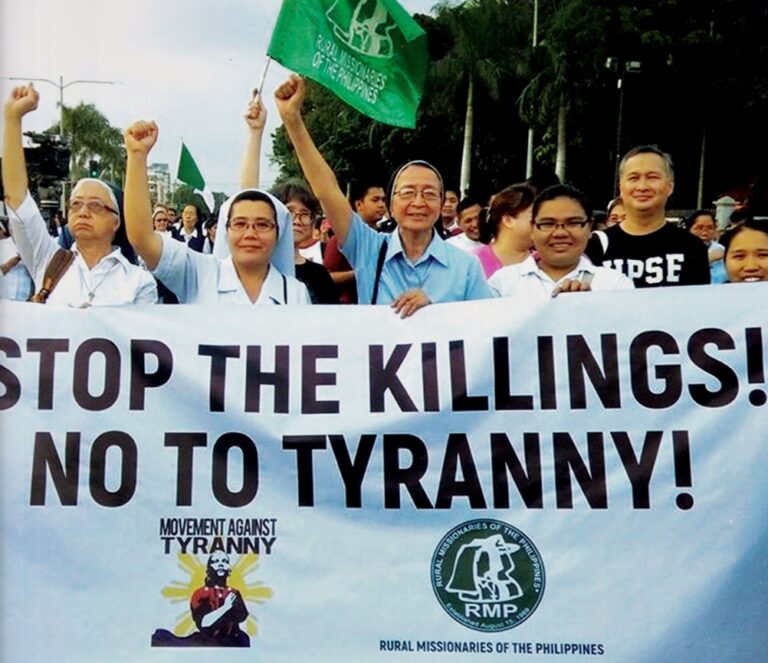
The Association of Major Religious Superiors in the Philippines (AMRSP) called on the police and military to “fast and abstain from doing violence” for the penitential season of Lent and beyond.

“Every day, more and more suspected drug addicts and pushers and perceived rebels and members of the CPP-NPA in their wars against addiction and terrorism are victimized by violence perpetrated by state agents, without even establishing their guilt through just and impartial investigations, without due process. Life has become so cheap. Shortcuts to dispensing justice has become the norm,” the AMRSP said.

The group, composed of the heads of Catholic religious congregations in the country, issued the statement on Friday, March 12, to condemn the killing of 9 Calabarzon activists on March 7, and of Calbayog Mayor Roland Aquino on March 8.

”What we witness today is the reign of violence, intolerance, hatred, and division. We are sure this is the handiwork of the devil himself. We cannot shirk our duty to combat evil in our midst,” their solidarity statement read.

AMRSP also called attention to the deportation of Dutch lay missionary and labor advocate Otto de Vries for his participation in political “rallies,” and the Anti-Money Laundering Council’s order to freeze all accounts of the Rural Missionaries of the Philippines (RMP), a church group helping peasants, for allegedly “financing terrorist activities.” The RMP has denied this charge, and no court has designated them as a terrorist group.

“The spate of attacks on lawyers, social activists, media practitioners, human rights defenders and church people bear one indelible mark – it is meant to intimidate, harass, malign and snuff out dissent and freedoms of speech, assembly and association. It is meant to constrict democratic debates and shrink the civic space for social engagements and activism,” the statement read.

AMRSP has been at the forefront of defending human rights since the Martial Law years, when they established Task Force Detainees of the Philippines to assist political prisoners.

In August 2020, the AMRSP became the 30th petitioner against the Anti-Terror Law. They argued that the church’s aid to groups perceived as terrorists may lead to their persecution as well.

“The Church does not distinguish who it helps out, for as long as they are part of the marginalized sectors of society, helping the poor may be construed to mean giving assistance to terrorists,” read a part of their petition. – Rappler.com